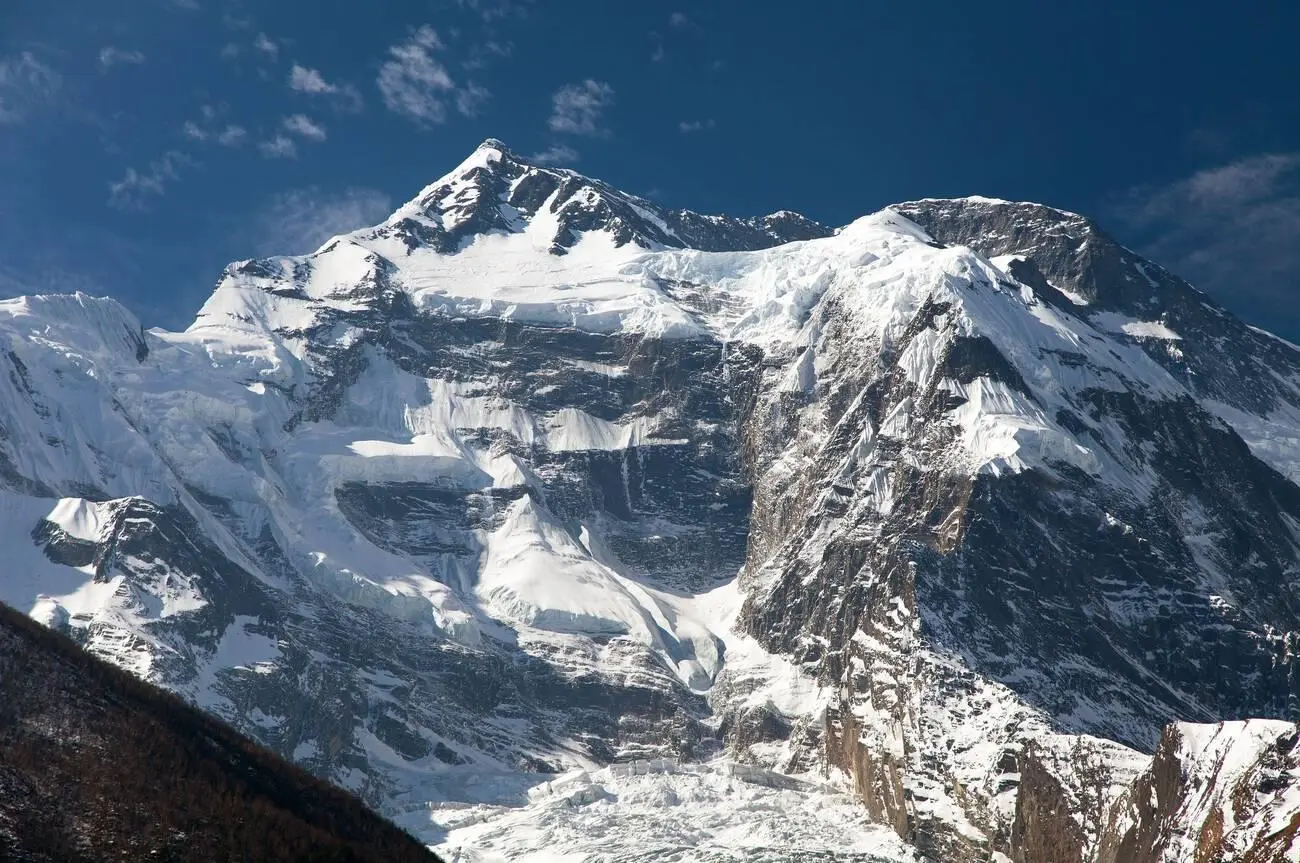
Pisang Peak is a stunning 6,091-meter (19,985 ft) trekking peak located in the Annapurna region of Nepal. It is an attractive climb for both novice mountaineers and experienced trekkers looking to combine trekking with a Himalayan summit experience. The climb offers panoramic views of the Annapurna and Manaslu ranges, including dramatic vistas of Annapurna II, Annapurna IV, Lamjung Himal, and Nilgiri. The route passes through traditional Gurung and Tibetan-influenced villages, lush forests, and high-altitude alpine landscapes, providing a unique cultural and natural experience.
Organized by Alpine Spirit Treks & Expedition, the Pisang Peak Climb is designed to balance trekking, acclimatization, and technical mountaineering. Starting from Kathmandu, the journey takes you through scenic roads and trails, from Jagat to Manang Valley, before reaching the base camp. An acclimatization day in Upper Pisang ensures climbers adapt to the altitude, reducing the risk of acute mountain sickness. The summit push is challenging yet achievable for those with moderate trekking and basic climbing experience.
The most suitable time for climbing Pisang Peak is pre-monsoon (March to May) and post-monsoon (September to November). During these periods, the weather is generally stable, skies are clear, and mountain views are breathtaking. Snow conditions on Pisang Peak are also optimal in these seasons, providing a safe and manageable climb.
Pisang Peak is categorized as a moderate trekking peak, suitable for climbers with prior trekking experience but minimal technical mountaineering skills. The climb involves steep snow slopes, glacier crossing, and basic rock climbing sections. While the peak does not require advanced technical skills, climbers should be physically fit and ready for high-altitude conditions. Acclimatization days, as included in the itinerary, play a vital role in ensuring a safe ascent.
Transportation to the region is straightforward:
During the Pisang Peak expedition, climbers stay in teahouses, lodges, and base camp tents along the route. The teahouses in villages like Chame, Pisang, and Manang provide warm meals and basic but comfortable lodging. At higher altitudes, such as base camp and high camp, accommodations are simpler tents or communal shelters.
Climbing Pisang Peak requires multiple permits:
Alpine Spirit Treks & Expedition handles all permit arrangements, ensuring a smooth process and compliance with Nepali regulations. This allows climbers to focus entirely on the trekking and climbing experience without administrative stress.
Choosing Pisang Peak offers a perfect blend of trekking and mountaineering, making it an ideal option for adventure seekers who want to experience a Himalayan summit without extreme technical climbing. The climb is scenic, culturally enriching, and physically rewarding, providing climbers with lifelong memories.
With a reputation for professionalism, safety, and client satisfaction, Alpine Spirit Treks & Expedition ensures every climber’s Pisang Peak adventure is both challenging and unforgettable.
Today, Scenic drive from Kathmandu to Jagat, which will take approximately 7–8 hours. The journey winds through lush green valleys, terraced farmlands, and charming riverside villages. Along the way, we pass through the towns of Dhading Besi and Syange, stopping for refreshments and photos. Jagat, a small settlement, is nestled beside the Budhi Gandaki River, offering a peaceful environment to prepare for the trek ahead. On arrival, check in at the teahouse and enjoy a hearty dinner while absorbing the serene Himalayan surroundings.
Our trek begins in earnest as we leave Jagat behind and follow the trail along the Budhi Gandaki River. The path gradually ascends through dense forests of pine, oak, and rhododendron, often crossing suspension bridges that offer stunning river views. En route, we encounter small villages where locals carry out traditional farming practices, providing a glimpse of rural Nepali life. After approximately 6–7 hours of trekking, we reach Dharapani, a bustling village and gateway to the Manang region. Overnight stay in a teahouse allows time to rest and acclimatize.
Today's trek brings us to Chame, the district headquarters of Manang, located at 2,710 meters. The trail gradually climbs through pine and fir forests, offering panoramic views of surrounding Himalayan peaks, including Annapurna II and Gangapurna. We pass through charming villages like Bagarchhap, famous for its traditional Tibetan-influenced architecture. Along the way, we may spot herders with their yaks grazing on terraced pastures. The trek takes 5–6 hours at a moderate pace, allowing our bodies to acclimatize. In Chame, the teahouses offer warm hospitality, hot meals, and breathtaking mountain vistas.
Leaving Chame, the trail ascends steadily toward Upper Pisang, passing through narrow gorges and terraced fields. Along the way, we encounter traditional Buddhist monasteries and prayer wheels, providing insight into the region’s spiritual culture. The scenery transforms as we gain altitude, with views of Annapurna II, Pisang Peak, and Gangapurna dominating the horizon. Reaching Upper Pisang, we are treated to an incredible vantage point overlooking the Marshyangdi Valley below. The village is picturesque, with stone houses and colorful prayer flags. Overnight in a teahouse ensures we are well-rested for acclimatization.
To prepare for the high-altitude climb, today is dedicated to acclimatization. We take short hikes around Upper Pisang, visiting the ancient monastery perched on a hilltop and exploring surrounding trails. This slow ascent allows the body to adjust to the thinning air while enjoying spectacular views of Pisang Peak, Annapurna II, and Gangapurna. In the afternoon, trekkers can relax at the teahouse, journal their experiences, or engage with local villagers to learn about their culture. A well-paced day reduces the risk of altitude sickness and strengthens our readiness for the upcoming climb.
We begin our trek to the Pisang Peak Base Camp, a moderate 4–5 hour hike. The trail rises steadily through alpine terrain with sparse vegetation and dramatic rock formations. Along the way, the views of the surrounding peaks grow increasingly majestic, and the air becomes noticeably thinner, emphasizing the importance of pacing and hydration. Arriving at Base Camp, we set up our climbing gear and review safety procedures. The Base Camp offers stunning views of Pisang Peak’s snowy slopes, and the evening is spent acclimatizing, enjoying the crisp mountain air, and preparing for the climb ahead.
Today, we ascend from Base Camp to High Camp, a more challenging climb at higher altitude. The path traverses rocky slopes, glacier moraines, and occasional snow patches, requiring careful footing and use of climbing equipment. The journey provides breathtaking perspectives of surrounding peaks like Annapurna II, Lamjung Himal, and the Manang Valley below. High Camp, at 5,400 meters, is our staging point for the summit attempt. The air is thin, so rest and proper acclimatization are essential. After arrival, climbers prepare gear, review techniques, and rest for the early morning summit push.
The summit day begins in the early pre-dawn hours, trekking across snowfields and steep icy slopes. Using crampons and fixed ropes, climbers make their way to the peak, where panoramic 360-degree views of the Annapurna and Manang ranges await. The sense of achievement at reaching 6,091 meters is profound. After spending time at the summit, we carefully descend back to Base Camp, navigating the same technical terrain. Upon return, climbers can relax, celebrate their success, and share stories of the climb over a warm meal. The evening at Base Camp is peaceful and restorative.
A full day is reserved as a contingency for unexpected delays, including adverse weather, altitude-related concerns, or needed rest. This day ensures the expedition remains flexible and safe. Climbers can take short hikes around Base Camp, rest, review gear, or simply enjoy the incredible surroundings. Guides and instructors are available to provide additional support, monitor health, and offer further training if needed. This buffer day increases the chances of a successful summit without compromising safety, while giving everyone time to savor the high-altitude environment at leisure.
After the excitement of the summit, we descend to the picturesque Manang Valley. The trail passes through moraines, alpine meadows, and small settlements. As we descend, oxygen levels improve, allowing for a more relaxed pace. Manang is a cultural hub with traditional stone houses and bustling markets. Upon arrival, we check into a teahouse, enjoy a warm meal, and rest. The valley’s panoramic views of Gangapurna, Annapurna III, and Tilicho Peak provide a serene backdrop for reflection after the climb. This leg of the journey also aids in further acclimatization.
Today’s trek is shorter, leading to Yak Kharka, a small high-altitude settlement surrounded by yak pastures and snow-capped peaks. The trail winds gently uphill, offering spectacular views of Gangapurna and Annapurna IV. Trekking at a moderate pace, we stop at natural viewpoints to admire the Himalayan panorama. Yak Kharka is sparsely populated, and the teahouses provide basic but comfortable accommodations. This day is perfect for rest, hydration, and light acclimatization before continuing toward Thorong Phedi and eventually Thorong La Pass. The surrounding landscapes make for peaceful trekking and excellent photography opportunities.
We continue ascending gently toward Thorong Phedi, the last settlement before the famous Thorong La Pass. The path passes rocky slopes, glacial streams, and small prayer shrines along the way. The terrain becomes increasingly rugged, but the trek remains manageable. Upon arrival at Thorong Phedi, we rest and prepare for the early morning crossing of Thorong La. The teahouses here are simple, but the environment is warm and communal, providing the perfect setting to share meals and experiences with fellow trekkers while observing the stunning Annapurna and Dhaulagiri ranges.
This is a long but exhilarating day. We start with a pre-dawn trek to Thorong La Pass, the highest point on the Annapurna Circuit. The ascent offers awe-inspiring sunrise views over the Himalayas. After crossing the 5,416-meter pass, we descend steeply toward Muktinath, a sacred site for both Hindus and Buddhists. Here, trekkers can visit the temple and holy water spouts. Continuing downhill, we reach Jomsom in the late afternoon. The journey is demanding but rewarding, as the changing landscapes—from high alpine terrain to drier Mustang-like valleys—provide unforgettable experiences and scenery.
A short scenic flight from Jomsom to Pokhara brings us from the high Himalayas to the tranquil lakeside city at 827 meters. The flight offers breathtaking aerial views of the Annapurna range, Dhaulagiri, and the Kali Gandaki Gorge. Upon arrival, we transfer to our hotel, where guests can relax by Phewa Lake or explore Pokhara’s vibrant lakeside market. In the evening, trekkers can enjoy local cuisine or take a peaceful boat ride. This day provides a perfect balance between adventure and leisure, giving the body time to recover from high-altitude trekking.
We depart Pokhara for Kathmandu, traveling by scenic tourist bus or private vehicle through winding roads flanked by rivers, forests, and mountains. The drive takes approximately 6–7 hours, with stops along the way for refreshments and sightseeing. Upon arrival in Kathmandu, guests check into their hotel and have time to rest, shop for souvenirs, or explore cultural sites such as Boudhanath Stupa or Thamel district. The evening concludes with a farewell dinner organized by Alpine Spirit Treks & Expedition, celebrating the success of the Pisang Peak expedition and sharing memories with fellow trekkers.
On the final day, after breakfast, guests are transferred to Tribhuvan International Airport for their onward flight. Alpine Spirit Treks & Expedition staff assist with check-in and ensure a smooth departure. This is a moment to reflect on the incredible journey through the Annapurna region, the successful summit of Pisang Peak, and the unforgettable experiences along the way. Many trekkers carry home not only photographs and memories but also a deep sense of achievement and connection with Nepal’s majestic mountains and vibrant culture.
Clothing
Handwear
Footwear
Gear
Miscellaneous
The ideal time to climb Pisang Peak is during the pre-monsoon season (March to May) and post-monsoon season (late September to November). During these months, the weather is generally stable, with clear skies and moderate temperatures, which provide excellent visibility of the Annapurna range. Snow and ice conditions are also favorable for mountaineering during these periods. Summer monsoon months (June to August) are generally avoided due to heavy rainfall, landslides, and difficult trail conditions.
Pisang Peak is considered a trekking peak, meaning it is accessible to climbers with moderate mountaineering experience. However, it requires good physical fitness, acclimatization, and basic climbing skills, including the use of crampons, ice axes, and ropes. Altitude can be challenging, with the summit reaching 6,091 meters (19,985 feet). Alpine Spirit Treks & Expedition ensures proper acclimatization days in Upper Pisang and other high-altitude stops to minimize the risk of altitude sickness.
The typical Pisang Peak climbing expedition lasts around 17 days, starting from Kathmandu and returning there at the end. The journey includes trekking through scenic villages such as Jagat, Dharapani, Chame, and Upper Pisang, with a climb to the summit from Pisang Peak Base Camp. The itinerary also includes acclimatization days, contingency days, and travel to Pokhara and Jomsom, ensuring a well-paced and safe adventure.
While prior mountaineering experience is helpful, it is not strictly required to climb Pisang Peak. Beginners can attempt the summit with proper training, guidance, and support. Alpine Spirit Treks & Expedition provides expert Sherpa guides, technical climbing instruction, and equipment handling training to ensure climbers are prepared for glacier travel, ice steps, and high-altitude conditions.
Climbers should have good cardiovascular endurance and leg strength, as daily treks range from 3 to 6 hours with significant altitude gain. Training in hiking, running, or stair climbing prior to the trek is highly recommended. Because the summit day involves steep climbing above 5,400 meters, physical preparation and stamina are essential for a safe and successful ascent.
Alpine Spirit Treks & Expedition offers comprehensive packages that include airport transfers, accommodation in Kathmandu, tea-house trekking accommodations, meals during trekking, experienced guides, climbing permits, equipment support, and emergency evacuation arrangements. Flights from Jomsom to Pokhara and transport back to Kathmandu are also included. This ensures a hassle-free and well-supported adventure.
Acclimatization is a critical part of the itinerary to minimize the risk of altitude sickness. Climbers spend extra days at Upper Pisang (3,700m/12,140ft) and make gradual ascents to Pisang Peak Base Camp (4,380m/14,371ft) and High Camp (5,400m/17,717ft). Alpine Spirit Treks & Expedition carefully plans trekking schedules and rest days to allow the body to adjust to high altitudes before attempting the summit.
The main risks include altitude sickness, sudden weather changes, icy slopes, and physical exhaustion. By following the Alpine Spirit Treks & Expedition itinerary, using experienced guides, and adhering to acclimatization protocols, these risks can be significantly minimized. Climbers are also equipped with necessary mountaineering gear and trained in basic safety techniques to handle emergencies.
Essential equipment includes mountaineering boots, crampons, an ice axe, harness, helmet, warm layers, gloves, and high-altitude sleeping bags. Alpine Spirit Treks & Expedition provides guidance on all technical gear and can supply some equipment on request. Proper clothing for layering, sun protection, and hydration systems are also recommended for comfort and safety during high-altitude climbs.
Yes, the trekking route up to Pisang Peak Base Camp and the surrounding Annapurna region is accessible to non-climbers. Those who prefer not to attempt the summit can enjoy the scenic villages, cultural experiences, and spectacular Himalayan landscapes along the trail. Alpine Spirit Treks & Expedition ensures that both climbers and trekkers have an enriching and safe experience tailored to their goals.