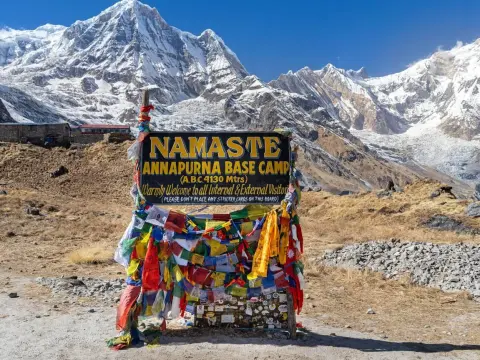
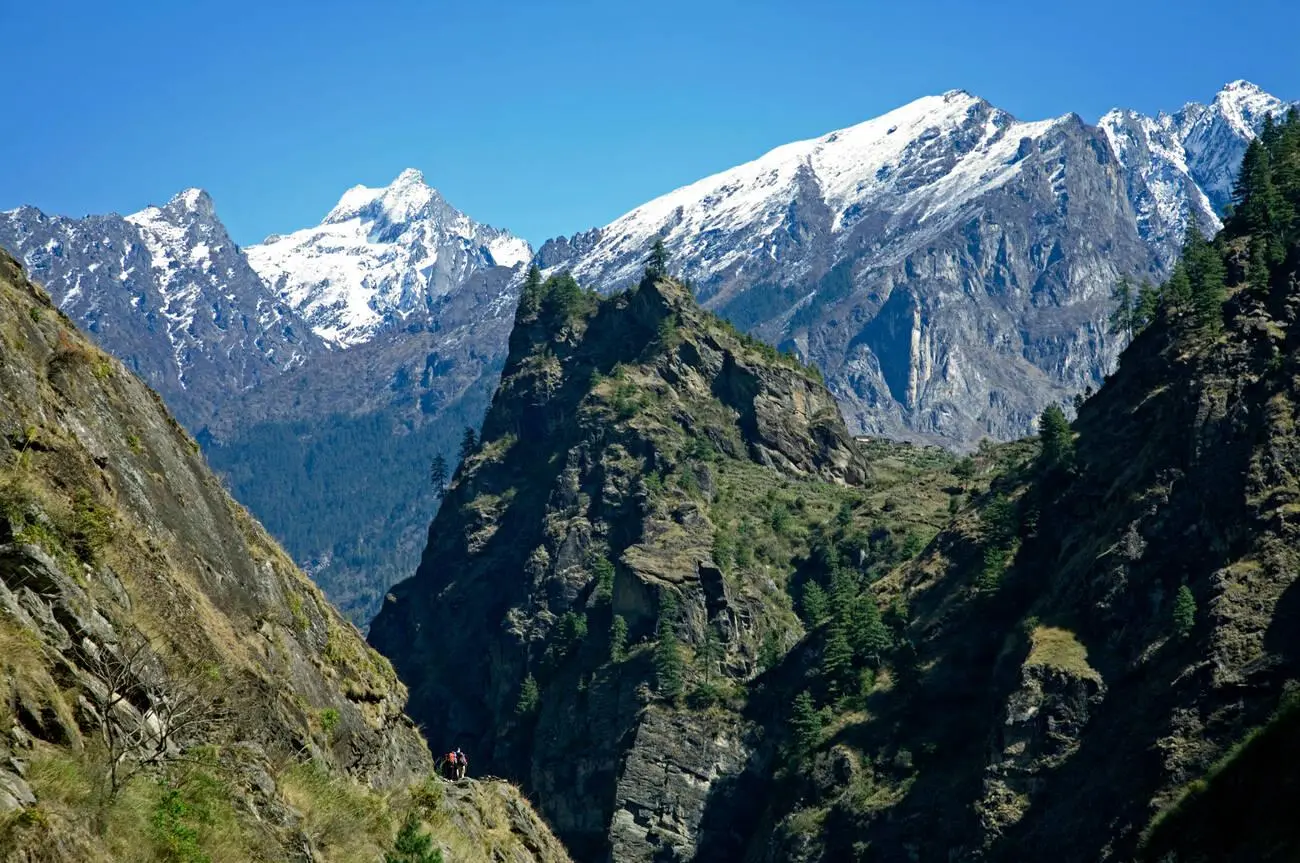
The Annapurna Circuit Trek is one of the most iconic trekking routes in Nepal, renowned for its breathtaking landscapes, cultural diversity, and high mountain adventure. Stretching from the lowlands of the Marsyangdi River valley to the high Himalayas, this trek takes adventurers through terraced fields, lush forests, rhododendron groves, and remote villages inhabited by Gurung, Manangi, and Thakali communities. The journey also offers close-up views of majestic peaks, including Annapurna I, Dhaulagiri, Machapuchare, and the famous Thorong-La Pass, which stands at 5,416 meters.
Travelers will experience a seamless combination of nature and culture along the route. The trek is designed for gradual acclimatization to high altitude, making it accessible to fit and moderately experienced trekkers. Besides natural beauty, the Annapurna Circuit is a window into traditional Nepali life, allowing trekkers to witness age-old customs, homestays, and unique village lifestyles. Alpine Spirit Treks & Expedition ensures your journey is well-organized, combining adventure with comfort and safety throughout the trek.
The best time to undertake the Annapurna Circuit Trek is during the spring (March to May) and autumn (September to November) seasons. During spring, the rhododendron forests are in full bloom, painting the hillsides with vivid reds and pinks. Autumn offers clear skies, making it ideal for spectacular mountain photography and unobstructed panoramic views. Both seasons provide moderate temperatures, stable weather conditions, and dry trails, making trekking safer and more enjoyable.
Winter (December to February) is less favorable due to heavy snowfall at higher altitudes, especially around Thorong-La Pass, which increases the risk of avalanche and road closures. Summer (June to August) brings monsoon rains, leading to slippery trails, leeches, and frequent landslides. Alpine Spirit Treks & Expedition plans your trek during optimal months to ensure safety, better visibility, and maximum enjoyment of natural and cultural experiences.
Season Highlights:
The Annapurna Circuit Trek is considered a moderate to challenging trek, suitable for individuals with good physical fitness and a sense of adventure. The trek involves daily walking of 4–6 hours through uneven terrain, including steep ascents, descents, and high-altitude passes like Thorong-La. While the overall trekking path is well-established, altitude sickness can be a concern above 3,500 meters, making proper acclimatization days crucial for a safe experience.
Transportation logistics are straightforward with road access from Kathmandu to the starting point of Besisahar and onward to Manang or Tatopani via jeeps or local buses. These drives allow trekkers to enjoy scenic river valleys and mountain views before beginning the trekking portion. At the end of the trek, easy road access from Pokhara back to Kathmandu provides a convenient and comfortable conclusion. Alpine Spirit Treks & Expedition arranges reliable transportation, minimizing fatigue and ensuring smooth transfers throughout your adventure.
Points to Note:
Food and accommodation along the Annapurna Circuit are generally available in teahouses and lodges, ranging from basic to moderately comfortable. Trekking menus typically include local Nepali dishes like dal bhat (lentil soup with rice), momo (dumplings), and noodles, as well as some Western options such as pasta and toast. Fresh water is available, but trekkers are advised to boil or filter it for safety.
Accommodation varies by region and altitude. Lower elevations offer warm, cozy lodges with shared or private rooms, while higher-altitude lodges provide basic heating, blankets, and limited amenities. Staying in teahouses allows trekkers to experience local culture and hospitality firsthand. Alpine Spirit Treks & Expedition carefully selects comfortable lodges and ensures hygienic, safe, and warm accommodations throughout the journey, even at higher elevations.
Food & Stay Highlights:
Trekking in the Annapurna region requires two main permits: the Annapurna Conservation Area Permit (ACAP) and the Trekkers’ Information Management System (TIMS) card. ACAP is mandatory to enter the protected areas, helping to conserve the region’s natural beauty and biodiversity. TIMS is required for trekking in most parts of Nepal to ensure trekkers’ safety and provide official tracking.
Alpine Spirit Treks & Expedition handles all permit arrangements, ensuring that trekkers can focus entirely on their journey. The permits are easy to obtain with the help of experienced guides, and they also provide access to emergency support, local information, and park facilities.
Permit Summary:
The Annapurna Circuit Trek is ideal for adventurers seeking a complete Himalayan experience, combining cultural immersion, scenic diversity, and high-altitude challenge. From lush lowlands to rugged high passes, the trek offers a dynamic range of landscapes that few treks in the world can match. The opportunity to cross the Thorong-La Pass, interact with local communities, and enjoy panoramic mountain views makes it an unforgettable journey.
Choosing Alpine Spirit Treks & Expedition ensures a professionally organized trek with experienced guides, reliable logistics, and personalized support. The company emphasizes safety, cultural respect, and sustainable tourism practices, allowing trekkers to focus on the adventure while contributing positively to local communities. With expert planning, well-chosen accommodations, and detailed guidance, your Annapurna Circuit Trek becomes a life-changing experience filled with memories of the majestic Himalayas.
Key Reasons to Choose:
After breakfast, undertake on a guided sightseeing tour of Kathmandu Valley, one of the most culturally rich regions in Nepal. You will visit ancient UNESCO World Heritage Sites including Swayambhunath (Monkey Temple), Pashupatinath Temple, and Boudhanath Stupa, gaining insight into the religious and historical significance of each site. The day offers opportunities to immerse yourself in Nepalese culture, enjoy traditional architecture, and shop for trekking gear or souvenirs in the bustling local markets. Return to the hotel in the evening for a group dinner and overnight stay, preparing for the journey ahead.
After breakfast, begin your scenic drive to Besisahar, the starting point of the Annapurna Circuit Trek. The journey takes approximately five hours, winding through terraced fields, quaint villages, and alongside the Marsyangdi River. Along the way, you will experience stunning panoramic views of the surrounding hills and valleys, observing the everyday life of local communities. Upon arrival in Besisahar, our team will assist with check-in at a comfortable lodge. You can take a short walk around the village, interact with locals, and enjoy your first evening amidst the serene Himalayan environment.
The day begins with a picturesque four-hour drive from Besisahar to Dharapani, following the winding Marsyangdi River and passing through terraced farmlands and dense forests. The road journey offers glimpses of traditional villages, prayer flags fluttering in the breeze, and occasional views of snow-capped peaks in the distance. Upon reaching Dharapani, check into your lodge and rest. This area serves as a gateway to the upper regions of the Annapurna Circuit, where trekking truly begins. In the evening, enjoy a warm meal and briefings for the trek ahead.
From Dharapani, your trek begins with a gradual ascent through beautiful rhododendron forests and terraced fields, crossing traditional suspension bridges over rushing rivers. The trail passes small villages where you can observe the local culture and lifestyle. As you ascend towards Chame, the landscape transforms, offering spectacular views of Annapurna II and Lamjung Himal. Chame is a charming village and the administrative center of Manang district. Upon arrival, relax at the lodge, explore the surroundings, and enjoy the crisp mountain air while preparing your body for higher altitudes in the coming days.
The trek to Pisang gradually gains altitude, leading you through picturesque forests and open landscapes that offer stunning views of Annapurna II and Pisang Peak. Along the way, traditional villages provide insight into the unique Tibetan-influenced culture, with prayer wheels, mani stones, and stone houses adding to the charm. As you climb higher, the vegetation thins, and the mountain scenery becomes more dramatic. Pisang itself is a scenic village divided into Old Pisang and New Pisang, with the upper section offering breathtaking panoramas. Enjoy the evening resting and acclimatizing for the trek ahead.
Today’s trek takes you from Pisang to the beautiful town of Manang, a key stop on the Annapurna Circuit. The trail follows the Marsyangdi River valley, gradually ascending amidst alpine meadows and rugged mountain scenery. You may encounter yaks grazing along the path and see Buddhist monasteries perched on hillsides. Manang offers stunning views of Annapurna III and Gangapurna, and the village is known for its welcoming lodges and teahouses. Upon arrival, check in to your lodge, explore the town, and prepare for tomorrow’s acclimatization day, which is crucial at this altitude.
Spending a day in Manang allows your body to adjust to the high altitude while exploring the surrounding area. You can take a short hike to nearby viewpoints or visit the local monastery and museum to learn about the culture and history of the region. This day helps prevent altitude sickness and gives you a chance to interact with locals, sample traditional Nepalese and Tibetan food, and enjoy the spectacular mountain vistas. Evening is spent relaxing at the lodge, reviewing the upcoming trek over Thorong-La Pass, and preparing mentally and physically for the more challenging days ahead.
The trek from Manang to Yak Kharka is a gradual ascent through rocky trails and alpine meadows. As you gain altitude, the vegetation becomes sparse, and snow-capped peaks surround the valley, including Gangapurna and Annapurna III. Yak Kharka is a small settlement known for its grazing yaks, and it provides a scenic and peaceful stop before the more demanding sections of the trek. Upon arrival, settle into your lodge, enjoy a hot meal, and take in the panoramic mountain views. The rest and acclimatization here are essential for the next day’s climb to High Camp.
Today involves a steady ascent to High Camp, the final stop before crossing Thorong-La Pass. The trail passes through barren landscapes, glacial moraine, and rugged terrain, offering a true high-altitude trekking experience. As you climb, the air becomes thinner, and the spectacular peaks of Annapurna and Dhaulagiri dominate the horizon. High Camp provides basic lodging and serves as a base to prepare for the early morning crossing of Thorong-La Pass. In the evening, enjoy a simple meal, rest early, and mentally prepare for one of the most rewarding experiences of the trek.
The highlight of the trek is crossing Thorong-La Pass, the highest point of the Annapurna Circuit at 5,416 meters. Begin before sunrise to witness an unforgettable sunrise over the Himalayas. The climb is steep and challenging, requiring careful pacing and frequent breaks. Upon reaching the pass, celebrate your achievement with panoramic views and photo opportunities. The descent to Muktinath follows a winding trail through rocky terrain. Muktinath is a sacred pilgrimage site for both Hindus and Buddhists, known for its temple and natural springs. Overnight stay at a local lodge.
After breakfast, descend from Muktinath by jeep or bus along a scenic route to Tatopani. The journey descends through deep valleys, terraced fields, and small villages, gradually reaching a subtropical climate. Tatopani is famous for its natural hot springs, offering a perfect opportunity to relax and soothe tired muscles after days of high-altitude trekking. Spend the evening enjoying the hot springs, mingling with fellow trekkers, and appreciating the contrast between high Himalayan landscapes and lush lower valleys. Overnight stay at a comfortable lodge in Tatopani.
From Tatopani, trek through diverse landscapes of tropical forests, terraced farms, and quaint villages to reach Ghorepani. The trail is moderately challenging, with steady climbs and rewarding views of the Annapurna and Dhaulagiri ranges. Along the way, stop at charming tea houses, interact with local communities, and observe the region’s rich flora and fauna. Ghorepani itself is a picturesque village surrounded by pine and rhododendron forests, serving as an ideal base for the next day’s early morning hike to Poon Hill for a spectacular sunrise over the Himalayas.
Wake up early to hike to Poon Hill, a famous viewpoint offering panoramic sunrise vistas over Annapurna, Dhaulagiri, and Machapuchare peaks. The experience is breathtaking and provides excellent photo opportunities. After descending, continue trekking through lush forests, terraced farmland, and small villages toward Hille. This descent allows you to experience the transition from high mountains to lower tropical landscapes. Arrive in Hille by late afternoon, relax at the lodge, and enjoy a warm meal while reflecting on the incredible Himalayan scenery and cultural experiences of the past days.
From Hille, take a scenic drive to Pokhara, Nepal’s beautiful lakeside city. The journey passes through hills, rivers, and vibrant villages, offering glimpses of local life. Upon arrival in Pokhara, check into a comfortable hotel and enjoy the city’s relaxing atmosphere. You may choose to explore Phewa Lake, visit the World Peace Pagoda, or stroll through the Lakeside market area. The evening provides a perfect opportunity to celebrate the completion of your trek, enjoy local cuisine, and prepare for the journey back to Kathmandu.
Embark on a long but scenic drive back to Kathmandu, passing through the Trishuli River valley, terraced farmland, and traditional villages. This journey offers opportunities to reflect on the trek, capture final photographs of the countryside, and enjoy the beautiful landscapes of central Nepal. Upon arrival in Kathmandu, check into your hotel and spend the evening at leisure. You may choose to enjoy a farewell dinner with the team from Alpine Spirit Treks & Expedition, sharing memories, stories, and experiences from the Annapurna Circuit Trek.
After breakfast, you will be transferred to Tribhuvan International Airport for your onward flight. This marks the conclusion of your memorable journey with Alpine Spirit Treks & Expedition. Departing from Nepal, you carry unforgettable memories of breathtaking mountain vistas, cultural encounters, and the camaraderie formed during the trek. Our team ensures a smooth departure, offering assistance with luggage and final arrangements. The experiences of the Annapurna Circuit Trek will remain with you forever, inspiring future adventures and deep appreciation for the Himalayan landscapes.
Clothing
Handwear
Footwear
Gear
Miscellaneous
The Annapurna Circuit Trek is ideal during the pre-monsoon (March to May) and post-monsoon (September to November) seasons. During these periods, the weather is generally stable, skies are clear, and mountain views are spectacular. Summer months can be hot at lower elevations, while the monsoon season (June to August) brings heavy rainfall, landslides, and challenging trail conditions. Winter treks (December to February) are possible but colder, especially at high-altitude passes like Thorong-La, requiring extra warm gear. Alpine Spirit Treks & Expedition can help you plan your trek for optimal weather conditions.
The trek is considered moderate to challenging. The difficulty comes from long trekking hours, varied terrain, and high altitudes, particularly when crossing Thorong-La Pass at 5,416 meters. While you don’t need technical climbing skills, good physical fitness and stamina are essential. Daily treks range from 4 to 6 hours, often on steep or uneven paths. Alpine Spirit Treks & Expedition recommends a few weeks of cardio and strength training before your trek to ensure a comfortable and enjoyable journey through the Annapurna region.
While previous trekking experience is helpful, it is not mandatory for the Annapurna Circuit Trek. The trek is suitable for beginners who are physically fit and well-prepared. Some high-altitude sections, especially Thorong-La Pass, require proper acclimatization to prevent altitude sickness. Alpine Spirit Treks & Expedition guides provide advice, acclimatization schedules, and on-trail support to help you safely complete the trek, even if it’s your first major Himalayan adventure.
Altitude sickness is a real concern when trekking above 3,000 meters. Symptoms can include headache, nausea, dizziness, and fatigue. The key to prevention is gradual ascent, staying hydrated, and taking rest days, such as the acclimatization day in Manang. Alpine Spirit Treks & Expedition ensures your itinerary includes proper acclimatization, advises on medications like Diamox if necessary, and monitors trekkers closely to manage symptoms safely. Your health is their priority on this high-altitude journey.
Accommodation along the Annapurna Circuit is mostly in teahouses and lodges, which provide basic yet comfortable rooms. Most teahouses have private or shared rooms with simple beds and blankets. Hot showers may be available for an extra charge. Meals are typically Nepali and Western cuisine. Alpine Spirit Treks & Expedition carefully selects reliable lodges that maintain hygiene and comfort standards, ensuring trekkers can rest well after long days of walking.
Packing the right gear is essential for comfort and safety. Key items include warm clothing for high altitudes, trekking boots, rain gear, hats, gloves, a sleeping bag, and trekking poles. Sunglasses and sunscreen are important for strong mountain sunlight, and hydration packs or bottles are essential. Alpine Spirit Treks & Expedition provides a detailed packing list and guidance on what to carry, helping trekkers avoid unnecessary weight while ensuring safety in all weather conditions.
Yes, food is widely available in teahouses along the Annapurna Circuit. Popular meals include Dal Bhat (traditional lentil rice), noodles, soups, and simple Western dishes. However, at higher altitudes, menu options may be limited and slightly more expensive. Alpine Spirit Treks & Expedition ensures trekkers are aware of food availability, helps with dietary preferences, and advises on carrying small snacks for energy between meals, ensuring you remain nourished throughout the trek.
The trek typically starts in Besisahar, which is approximately a 5-hour drive from Kathmandu. Roads are mostly scenic and pass through rural villages, rivers, and terraced fields. For trekkers who prefer convenience, Alpine Spirit Treks & Expedition arranges private transportation or shared jeeps to ensure a safe and comfortable start to the trek. The drive itself offers a gentle introduction to the culture and landscape of the Annapurna region before the trekking adventure begins.
While independent trekking is possible, hiring a guide or joining a trekking company like Alpine Spirit Treks & Expedition greatly enhances safety and convenience. Guides provide navigation support, help communicate with locals, monitor health for altitude issues, and manage logistics such as accommodation and permits. Their expertise allows trekkers to enjoy the scenery and cultural experiences without worrying about the challenges of planning and trekking alone.
Two main permits are required: the Annapurna Conservation Area Permit (ACAP) and the Trekkers’ Information Management System (TIMS) card. ACAP ensures the preservation of the region’s natural beauty and wildlife, while TIMS is mandatory for all trekkers in Nepal. Alpine Spirit Treks & Expedition assists in obtaining these permits and ensures all documentation is arranged before your trek starts, so you can focus entirely on the adventure ahead.