Lobuche Peak Climbing with Alpine Spirit Treks & Expedition is one of Nepal’s most thrilling and rewarding Himalayan adventures. Standing tall at 6,119 meters, Lobuche Peak offers magnificent views of Mount Everest, Lhotse, Nuptse, Ama Dablam, and several other peaks in the Khumbu region. This expedition is a perfect blend of a classic Everest Base Camp trek and a challenging alpine ascent, ideal for those who want to experience both trekking and mountaineering in one journey.
The climb begins with a scenic flight from Kathmandu to Lukla, followed by a trek through iconic Sherpa villages such as Namche Bazaar, Tengboche, Dingboche, and Lobuche. Before the summit attempt, climbers spend a night at Lobuche High Camp, where the team receives technical training from professional guides. Once you stand atop Lobuche Peak, the breathtaking panorama of the Everest region rewards every step of your journey.
The best seasons for Lobuche Peak Climbing are spring (March to May) and autumn (September to November). During these months, the weather is generally stable, with clear skies and excellent visibility of the mountains. The temperatures are moderate, and the trails are dry, making trekking and climbing conditions ideal. Spring also brings the beauty of blooming rhododendrons and lush landscapes, while autumn offers crisp mountain air and crystal-clear views.
Winter (December to February) can be extremely cold, especially above 4,000 meters, while the monsoon season (June to August) brings heavy rainfall, slippery trails, and poor visibility. However, for those seeking solitude and adventure, climbing in early winter can still be a rewarding experience with proper preparation and guidance from Alpine Spirit Treks & Expedition.
Best Seasons Summary:
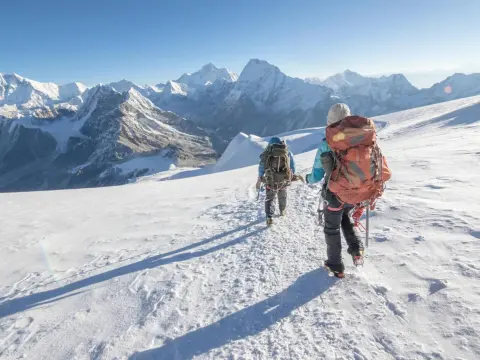
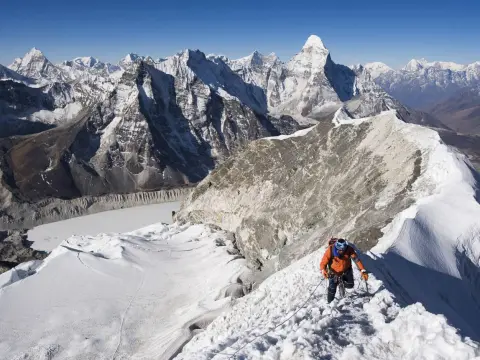
Lobuche Peak is considered a moderately challenging climbing peak suitable for trekkers with good physical fitness and some basic mountaineering experience. The route involves steep icy sections, glacier travel, and the use of climbing gear like crampons, ropes, harnesses, and ice axes. The ascent from High Camp to the summit is physically demanding, but with proper acclimatization and support from expert guides, it is achievable for motivated climbers.
The journey begins with a short and scenic flight from Kathmandu to Lukla, the gateway to the Everest region. From there, the route follows the classic Everest Base Camp trail, allowing plenty of time for acclimatization before the summit push. All transportation, including domestic flights and transfers, is organized by Alpine Spirit Treks & Expedition for a smooth and comfortable experience.
Difficulty & Transport Points:
During the trek, accommodation is provided in cozy teahouses and lodges, offering clean rooms and warm hospitality. The teahouses serve a variety of Nepali, Tibetan, and continental meals, ensuring you stay energized throughout the trek. Common dishes include dal bhat, noodles, pasta, soups, and eggs. At High Camp, Alpine Spirit Treks & Expedition provides high-altitude camping arrangements, complete with nutritious meals prepared by experienced cooks.
Drinking water is available at every stop, and trekkers are advised to use purification tablets or filtered water. The company prioritizes hygiene and safety, ensuring that all meals are fresh and healthy. A hot cup of tea or coffee at the end of a long trek adds warmth and comfort, making every meal a delightful experience amidst the towering Himalayas.
Food & Stay Highlights:
To climb Lobuche Peak, several permits are required, which are managed efficiently by Alpine Spirit Treks & Expedition. The main permits include the Nepal Mountaineering Association (NMA) Climbing Permit, the Sagarmatha National Park Entry Permit, and the Khumbu Pasang Lhamu Rural Municipality Permit. Each of these ensures your legal and safe access to the Everest region and the Lobuche climbing area.
The company handles all paperwork on behalf of climbers, ensuring a hassle-free experience before departure. The fees from these permits contribute to conservation efforts and local community development, helping maintain the fragile Himalayan ecosystem and supporting local livelihoods.
Required Permits:
Choosing Alpine Spirit Treks & Expedition means choosing safety, experience, and personalized service. The company is staffed with certified mountain guides, Sherpas, and climbing experts who have successfully led numerous expeditions across the Himalayas. Their commitment to quality service, proper acclimatization, and client safety sets them apart as a trusted partner for high-altitude adventures.
Moreover, Alpine Spirit Treks focuses on sustainable tourism, ensuring minimal environmental impact and maximum community benefit. Whether you’re a first-time climber or a seasoned adventurer, the team provides comprehensive support—from gear checks to summit preparation—making your Lobuche Peak Climbing journey safe, enjoyable, and unforgettable.
Why Alpine Spirit Treks?
Early in the morning, we take a scenic flight to Lukla, the gateway to the Everest region. This thrilling 35-minute flight offers stunning views of the Himalayas, including Everest and its neighboring peaks. After meeting our trekking crew in Lukla, we begin our journey along the Dudh Koshi River, passing through beautiful Sherpa villages, prayer wheels, and stone walls engraved with Buddhist mantras. The trail gently descends to Phakding, where we’ll spend the night in a cozy teahouse. The fresh mountain air and the sound of the river create a peaceful atmosphere.
Today’s trek leads us through pine forests and across several suspension bridges, including the famous Hillary Bridge. We follow the Dudh Koshi River upstream and enter Sagarmatha National Park at Monjo, where permits are checked. The trail becomes steeper as we ascend toward Namche Bazaar, the bustling Sherpa capital. Upon arrival, we are rewarded with our first glimpse of Everest, Lhotse, and Kusum Kanguru. Namche is a vibrant mountain town filled with bakeries, shops, and lodges. Overnight at a lodge with panoramic views of the surrounding peaks.
To prepare for higher altitudes, we spend the day acclimatizing in Namche. A short hike to the Everest View Hotel provides breathtaking panoramas of Everest, Ama Dablam, and Thamserku. We may also visit the Sherpa Museum and the local monastery to learn more about Sherpa culture and mountaineering history. In the afternoon, you can relax in the cafés or explore the local market. This day of rest and light activity helps your body adjust to the thinning air, ensuring a safer and more enjoyable climb ahead. Overnight in Namche Bazaar.
After breakfast, we follow a scenic trail contouring the hillsides with majestic mountain views. The path descends to the Dudh Koshi River before climbing through lush rhododendron forests to reach Tengboche. This village is famous for its ancient Tengboche Monastery, the largest in the Khumbu region, where monks perform evening prayers surrounded by spectacular Himalayan vistas. The sight of Ama Dablam towering above the monastery is truly unforgettable. Overnight stay in a teahouse near the monastery, where the peaceful atmosphere adds to the spiritual experience.
The trek begins with a descent through forests filled with juniper and birch trees, crossing the Imja Khola river before climbing steadily toward Pangboche. From here, the landscape becomes more arid, with fewer trees and more rugged terrain. We continue ascending toward Dingboche, a picturesque village surrounded by stone-walled fields and towering peaks like Lhotse, Ama Dablam, and Island Peak. Dingboche is an important acclimatization stop for trekkers and climbers. In the evening, we rest and enjoy a warm meal while soaking in views of the Himalayas.
To further acclimatize, we take a scenic hike to Chhukung Valley, a route that provides incredible close-up views of Lhotse, Makalu, and Ama Dablam. The trail gradually ascends through alpine meadows and yak pastures. Chhukung serves as the base for Island Peak climbers, offering an inspiring view of the surrounding glaciers. After spending some time exploring the valley and taking photos, we descend back to Dingboche for lunch and rest. This day helps us adapt to the altitude while enjoying the raw beauty of the upper Khumbu region.
Leaving Dingboche, we ascend a ridge with spectacular views of Taboche and Cholatse. The trail then continues to Dughla, where we rest before climbing the steep moraine leading to the Thukla Pass. Here, memorials built in honor of climbers who lost their lives on Everest remind us of the region’s mountaineering legacy. From the pass, we trek gently up the valley to reach Lobuche, a small settlement nestled between towering peaks. The thin air is noticeable, but the surrounding scenery provides motivation and awe. Overnight at a mountain lodge.
Today is one of the most exciting days of the trek. We follow the glacial moraine of the Khumbu Glacier toward Gorak Shep, our last settlement before Everest Base Camp. After lunch, we hike to the legendary Everest Base Camp, walking over rocky, uneven terrain surrounded by ice formations and towering peaks. Standing at the base of the world’s highest mountain is an unforgettable experience. After capturing this moment, we return to Gorak Shep for a well-deserved rest. Overnight at a teahouse in Gorak Shep.
We begin early to ascend Kala Patthar, a famous viewpoint offering the best panoramic views of Mount Everest, Nuptse, and Pumori. The sunrise from this vantage point paints the Himalayas in golden hues—a moment cherished by every trekker. After spending some time at the summit, we descend to Gorak Shep for breakfast and then retrace our steps back to Lobuche. The return journey feels easier as we descend to lower altitude. We spend the night in Lobuche, preparing for the upcoming climb to Lobuche Peak.
After breakfast, we trek toward Lobuche High Camp, following a steep and rocky trail over loose scree and glacial moraine. The route offers magnificent views of Lobuche East, Nuptse, and other surrounding peaks. Upon reaching High Camp, our climbing guides from Alpine Spirit Treks & Expedition will conduct a training session, reviewing the use of climbing gear such as harnesses, ropes, ice axes, and crampons. This is an important day for technical preparation and mental readiness. Overnight stay in tents at High Camp under a star-filled Himalayan sky.
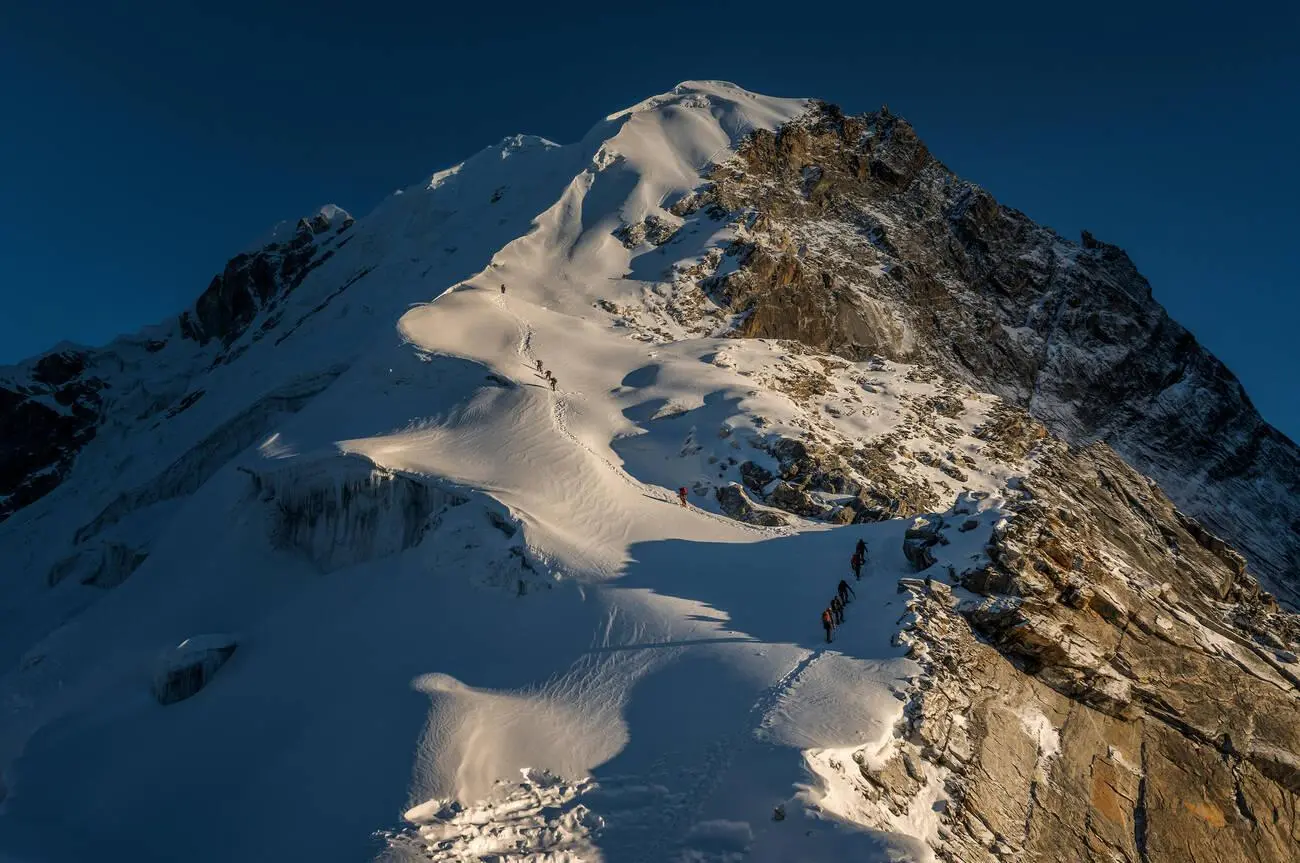
Today marks the highlight of our expedition—summiting Lobuche Peak! We start early, navigating through rocky terrain and icy slopes using fixed ropes and climbing equipment. The climb is physically demanding but rewarding, with awe-inspiring views of Everest, Lhotse, Nuptse, Ama Dablam, and Makalu from the summit. After spending some time celebrating at the top, we carefully descend back to High Camp. This challenging day tests endurance and skill, but the feeling of accomplishment is unmatched. Overnight at High Camp, reflecting on a successful summit.
After a hearty breakfast, we begin our descent, retracing our route through the Khumbu Glacier area and down toward Pheriche. The air becomes thicker, and the landscape greener as we lose altitude. We continue to Pangboche, a charming Sherpa village known for its ancient monastery and traditional culture. The views of Ama Dablam and surrounding peaks remain magnificent. After the rigorous climb, the lower altitude brings a sense of comfort and relief. Overnight stay in Pangboche, enjoying the warmth of the teahouse and Sherpa hospitality.
We continue our descent through rhododendron forests and along the Imja Khola River. Passing through Tengboche once again, we can revisit the monastery or simply enjoy the serene surroundings. The trail gradually leads us back to Namche Bazaar, where modern comforts like hot showers, bakeries, and Wi-Fi await. It’s a great place to celebrate the success of our climb and share experiences with fellow trekkers. Overnight in Namche Bazaar, relishing a well-earned rest after days of high-altitude adventure.
Our final trekking day follows the Dudh Koshi River back through the lush forests and charming villages of Monjo and Phakding. We cross several suspension bridges and gradually ascend to Lukla. This marks the completion of our trekking and climbing adventure. In the evening, we celebrate our success with the climbing team and crew members, sharing stories and laughter. The sense of accomplishment fills the air as we prepare for our flight back to Kathmandu. Overnight stay in Lukla.
We take an early morning flight from Lukla to Kathmandu, once again enjoying the magnificent mountain views from above. Upon arrival, we transfer to our hotel and spend the rest of the day at leisure. You can explore the cultural landmarks of Kathmandu, do some souvenir shopping, or simply relax after the long expedition. In the evening, Alpine Spirit Treks & Expedition hosts a farewell dinner at a traditional Nepali restaurant with live cultural performances. Overnight in Kathmandu.
Our incredible journey to Lobuche Peak comes to an end today. A representative from Alpine Spirit Treks & Expedition will transfer you to the airport for your onward flight. As you bid farewell to Nepal, you’ll carry with you unforgettable memories of towering peaks, warm Sherpa hospitality, and the thrill of reaching one of the region’s most scenic summits. We hope to welcome you again for another Himalayan adventure. Safe travels and Namaste!
Clothing
Handwear
Footwear
Gear
Miscellaneous
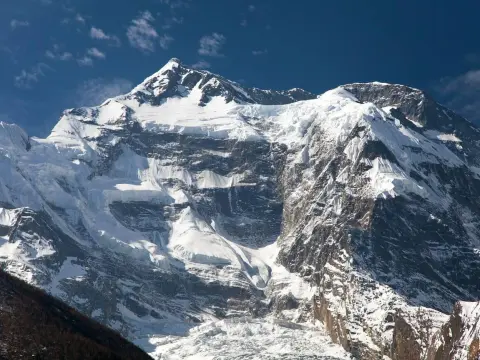
Lobuche Peak (6,119 m) is one of the most popular trekking peaks in Nepal, located near the Khumbu Glacier close to Mount Everest. It offers climbers both adventure and panoramic Himalayan views, including Everest, Lhotse, Makalu, and Ama Dablam. Alpine Spirit Treks & Expedition organizes safe and guided climbs to Lobuche Peak as part of the classic Everest Base Camp route, allowing climbers to experience both trekking and peak climbing in a single journey.
Lobuche Peak is considered a moderately challenging trekking peak, suitable for climbers with some prior high-altitude trekking or mountaineering experience. The route includes glacier travel, snow slopes, and sections requiring the use of ropes and crampons. Alpine Spirit Treks & Expedition ensures all climbers receive proper guidance, equipment, and acclimatization to make the ascent as safe and enjoyable as possible.
The best seasons to climb Lobuche Peak are spring (March to May) and autumn (September to November). During these months, the weather is generally stable, visibility is excellent, and temperatures are suitable for climbing. Alpine Spirit Treks & Expedition carefully plans expeditions around favorable conditions to maximize your chances of a successful summit.
While previous climbing experience is helpful, it is not mandatory for Lobuche Peak. However, trekkers should be physically fit and mentally prepared for high-altitude conditions. Alpine Spirit Treks & Expedition provides a pre-climb training session at base camp to familiarize participants with the use of climbing gear such as crampons, ice axes, and harnesses before the summit push.
To climb Lobuche Peak, climbers must obtain a Trekking Peak Permit from the Nepal Mountaineering Association (NMA), as well as Sagarmatha National Park and Khumbu Pasang Lhamu Rural Municipality entry permits. Alpine Spirit Treks & Expedition handles all necessary documentation and permit arrangements on behalf of clients to ensure a smooth and hassle-free experience.
During the trek, accommodation is provided in comfortable local tea houses with basic amenities. Once at Lobuche High Camp, climbers stay in tented camps equipped with sleeping bags and mattresses. Alpine Spirit Treks & Expedition supplies all camping gear, meals, and logistical support at high altitudes to maintain safety and comfort throughout the expedition.
The standard Lobuche Peak itinerary lasts 17 days, including acclimatization and travel days. This schedule, offered by Alpine Spirit Treks & Expedition, allows trekkers to adjust to high altitude progressively through stops at Namche Bazaar, Dingboche, and Everest Base Camp before attempting the peak, which significantly reduces the risk of altitude sickness.
Climbers should have a good level of endurance, strength, and cardiovascular fitness to tackle long trekking days and the physically demanding summit climb. Regular hiking, running, or gym workouts before the expedition can greatly improve performance. Alpine Spirit Treks & Expedition’s guides ensure that the pace and acclimatization process suit the team’s overall ability.
Essential gear includes mountaineering boots, crampons, harnesses, carabiners, ice axes, helmets, down jackets, gloves, and warm layered clothing. Most climbing equipment can be rented or arranged in Kathmandu with the help of Alpine Spirit Treks & Expedition. The company provides group gear such as ropes, tents, and safety equipment for the expedition.
Alpine Spirit Treks & Expedition is a trusted and experienced adventure company in Nepal specializing in high-altitude trekking and climbing. The team is composed of certified mountain guides, porters, and support staff who prioritize safety, professionalism, and personalized service. From obtaining permits to providing quality gear and expert guidance, the company ensures every client experiences an unforgettable and successful Lobuche Peak adventure.