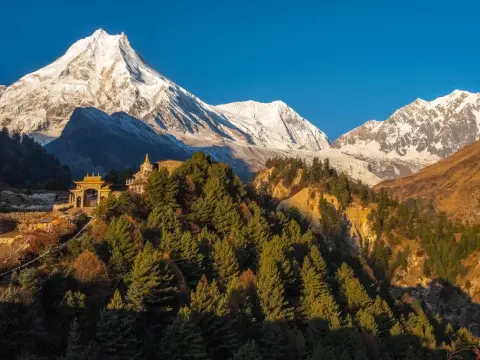
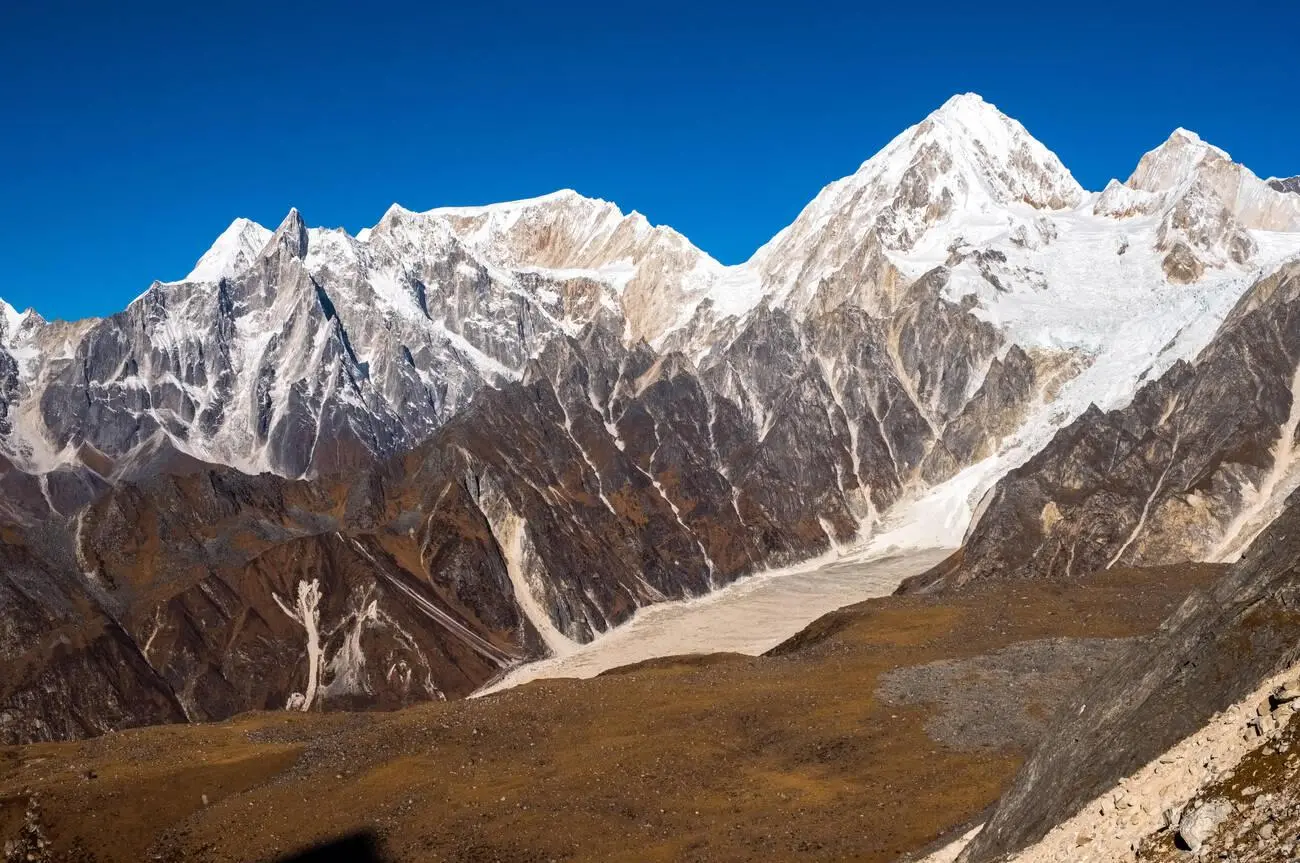
The Manaslu Tsum Valley Trek or Tsum Valley and Manaslu Circuit Trek is one of Nepal’s most breathtaking and culturally immersive trekking experiences. Located in the northern part of the Gorkha district, this remote region lies in the shadow of Manaslu (8163m), the eighth-highest mountain in the world. Often overshadowed by the Annapurna and Everest regions, the Manaslu area, including the sacred Tsum Valley, offers trekkers an authentic, off-the-beaten-path adventure with pristine landscapes, traditional Tibetan Buddhist culture, and spectacular Himalayan scenery.
The trek is a perfect blend of cultural discovery, spiritual experiences, and adventure trekking. The Tsum Valley, known as a sacred Himalayan valley, is dotted with ancient monasteries, prayer flags, mani walls, and chortens, reflecting centuries of Buddhist tradition. The valley is also home to unique ethnic communities such as the Tsumba people, who maintain their traditional lifestyle, customs, and rituals. Beyond the valley, the Manaslu Circuit Trek takes trekkers along a classic Himalayan loop, offering panoramic views of snow-capped peaks, glacial rivers, terraced farmlands, dense forests, and high alpine meadows.
The Manaslu Tsum Valley Trek is best undertaken during pre-monsoon (spring) and post-monsoon (autumn) seasons. These periods offer the most favorable weather, clearer skies, and stable trails.
Spring (March to May):
During spring, the valley is blanketed with rhododendrons and other alpine flowers, creating a breathtakingly colorful landscape. Temperatures are moderate, and snow on higher passes begins to melt, making trekking safer and more enjoyable.
Autumn (September to November):
Autumn is considered the prime trekking season due to clear skies, minimal rainfall, and excellent mountain views. The temperatures are cooler, which makes high-altitude trekking more comfortable, and the chance of encountering storms is lower.
Other seasons:
Season highlights:
The Manaslu Tsum Valley Trek is considered moderate to challenging due to the high-altitude passes, long trekking days, and remote terrain. While physical fitness is required, the trek is suitable for both experienced trekkers and adventurous beginners who are properly prepared.
The trail features gradual ascents and descents through villages, forests, and alpine landscapes. The highest point is Larkya La Pass at 5160m, requiring careful acclimatization to avoid altitude sickness. Daily trekking ranges from 4 to 8 hours, making it manageable for most trekkers with a reasonable fitness level.
Transportation:
Difficulty at a glance:
While the Manaslu Tsum Valley is remote, trekkers are well-supported with basic lodges and tea houses along the route. Accommodation is simple but cozy, often featuring twin-sharing rooms with blankets. Some lodges may have shared bathrooms and limited hot water, especially at higher elevations.
Food along the trek primarily consists of Nepali, Tibetan, and western dishes, including dal bhat (rice and lentil soup), noodles, momos (dumplings), soups, and eggs. Trekkers should stay hydrated and maintain a high-calorie diet to cope with the physical demands of the trek.
Food & lodging highlights:
Trekking in the Manaslu region requires special permits due to its restricted status. These permits are necessary for entry into the Manaslu Conservation Area (MCA) and Tsum Valley.
Required permits:
Permits are usually arranged by trekking agencies like Alpine Spirit Treks & Expedition, which ensures all documentation is processed smoothly before the trek begins.
Permit key points:
The Manaslu Tsum Valley Trek is perfect for trekkers seeking off-the-beaten-path experiences. Unlike more crowded trekking regions, it offers serenity, cultural immersion, and breathtaking natural landscapes.
Tsum Valley is particularly appealing for travelers interested in Buddhist culture and traditional Tibetan lifestyle. The valley remains largely untouched by tourism, allowing trekkers to interact with local communities and experience festivals, rituals, and daily life in its most authentic form.
Choosing a professional agency like Alpine Spirit Treks & Expedition ensures:
Key reasons to choose this trek:
After breakfast, Scenic drive from Kathmandu to Machha Khola. The journey takes you through beautiful rural landscapes, terraced fields, and traditional Nepali villages along the Trishuli River and the Budhi Gandaki Valley. Expect a mix of winding mountain roads and occasional river crossings, offering glimpses of daily life in remote areas. Machha Khola, sitting at an elevation of 890 meters, is a small riverside settlement where the trek begins. Upon arrival, you can relax, explore the village, and enjoy the peaceful riverside surroundings. Dinner and overnight stay will be at a teahouse.
Your trek officially begins today as you follow the Budhi Gandaki River upstream. The trail passes through dense forests of bamboo, pine, and rhododendron, with occasional views of the surrounding hills. You will cross suspension bridges and traverse small streams, observing the traditional lifestyles of local villagers along the way. Jagat, at 1340 meters, marks the entrance to the Tsum Valley region. It is a charming village featuring stone houses, mani walls, and Buddhist prayer flags fluttering in the breeze. You will arrive in the afternoon, have dinner, and rest in the local teahouse, preparing for the gradual climb ahead.
Today’s trek takes you through the lush and remote lower regions of the Manaslu Circuit. The trail gradually ascends through mixed forests and terraced fields, offering spectacular views of the surrounding mountains. You will encounter traditional villages, prayer wheels, and suspension bridges, immersing yourself in the local culture. Lokpa, situated at 2240 meters, is a peaceful village known for its monasteries and traditional Gurung houses. Overnight stay in a cozy teahouse allows you to enjoy a hearty meal and interact with friendly locals while preparing your body for higher altitude trekking in the coming days.
As you continue trekking deeper into the Tsum Valley, the scenery becomes increasingly dramatic. You will pass through charming hamlets and dense forests while observing local Tibetan-influenced culture. Chumling, located at 2386 meters, is a quaint settlement with stone houses and prayer flags that create a serene atmosphere. The valley’s isolation provides a sense of timelessness, with few trekkers around. In the afternoon, you can explore the village, visit small monasteries, and enjoy panoramic views of the surrounding hills. Dinner and overnight stay at a teahouse offer the chance to rest and prepare for tomorrow’s climb.
Today’s trek involves a significant altitude gain, ascending towards the sacred Rachen Gompa. The trail meanders through lush forests and rocky slopes, with several suspension bridges and waterfalls along the way. As you approach Rachen Gompa, the scenery becomes more rugged, and the atmosphere more serene. Rachen Gompa, perched at 3240 meters, is a historic monastery with rich spiritual significance in the region. Upon arrival, you can explore the monastery, observe local monks’ daily routines, and enjoy sweeping mountain views. Overnight stay in a teahouse near the gompa provides a peaceful environment for rest.
This is a day of cultural immersion and moderate trekking as you make your way to Mu Gompa, the highest settlement in the Tsum Valley. The trail gradually ascends through alpine forests, rocky terrain, and traditional villages. Mu Gompa, at 3700 meters, is a remote Tibetan-influenced monastery with spectacular panoramic views of the surrounding peaks. After exploring the gompa and taking in the breathtaking scenery, you descend to Nile at 3361 meters for an overnight stay. This section offers both spiritual and natural highlights, with dramatic vistas, prayer flags, and the tranquil ambiance of high-altitude Himalayan life.
Today involves a descent back into the lower Tsum Valley, returning to Chumling. The trek offers stunning views of the valley below and its terraced fields, stone houses, and vibrant prayer flags. You will retrace parts of the trail through forests and streams, observing wildlife and the traditional lifestyle of local villagers. Chumling offers a comfortable teahouse stay where you can relax and reflect on your journey deeper into the valley. This descent allows your body to recover while enjoying the lush scenery and peaceful atmosphere of the serene valley.
Descending further today, you will trek from Chumling to Deng, following the Budhi Gandaki River. The trail passes through dense forests, terraced fields, and small settlements. Deng, at 1860 meters, is a vibrant village where you can witness the unique blend of Tibetan and Nepali culture. Traditional houses, mani walls, and prayer flags adorn the village. The atmosphere is lively with local villagers engaged in daily activities. Overnight stay in a teahouse provides an opportunity to rest and enjoy home-cooked Nepali meals, preparing for the trek’s next phase into higher altitudes.
The trek today involves a steady ascent from Deng to Namrung, climbing through terraced farmland, dense forests, and small hamlets. Namrung, at 2630 meters, is a picturesque village with panoramic views of snow-capped peaks and the Budhi Gandaki Valley. The village is culturally rich, with mani walls, stupas, and traditional stone houses. The afternoon can be spent exploring local life, visiting small monasteries, and enjoying the peaceful surroundings. The teahouse stay offers warm meals and a cozy environment to prepare your body for higher altitude trekking in the upcoming days.
Today’s trek involves moderate climbing as you ascend towards Lho. The trail winds through rhododendron forests, alpine meadows, and small villages adorned with prayer flags. Lho, situated at 3180 meters, is a historic village and spiritual center with monasteries that date back centuries. You can explore the village, observe local monastic life, and enjoy panoramic views of the surrounding mountains. The altitude is gradually increasing, helping you acclimatize for higher elevations ahead. Overnight stay in a teahouse provides comfort and warmth, preparing you for tomorrow’s trek to Samagaon.
From Lho, the trail ascends steadily to Samagaon, a charming village with spectacular mountain vistas. The trek passes through terraced fields, prayer flags, and traditional stone houses, offering insight into local lifestyles. Samagaon sits at 3520 meters and serves as a base for exploring the surrounding peaks, lakes, and monasteries. Upon arrival, you can settle into your teahouse, enjoy a hearty meal, and take in the panoramic Himalayan views. The serene environment provides an ideal setting for relaxation and preparation for an acclimatization day tomorrow.
Today is reserved for acclimatization to help your body adjust to higher altitude. You can choose to hike to Birendra Lake, a beautiful alpine lake with stunning reflections of surrounding peaks, visit the ancient Pungen Monastery, or take a longer trek to the base of Manaslu. This day allows you to rest while still exploring the dramatic landscapes and cultural heritage of the region. The peaceful atmosphere of Samagaon, combined with panoramic views and spiritual sites, makes for a memorable day of reflection and preparation for higher altitude trekking.
The trek from Samagaon to Samdo involves a moderate ascent through alpine terrain, with breathtaking views of Manaslu and surrounding peaks. Samdo, at 3860 meters, is a traditional Tibetan-influenced village with stone houses, mani walls, and monasteries. The trail passes through moraine landscapes, glacial streams, and open meadows. Samdo serves as a gateway to Larkya La Pass, the highest point of the trek. Upon arrival, you can explore the village, interact with locals, and rest in a teahouse, taking in the crisp mountain air and serene surroundings.
Today’s trek is challenging as you ascend towards Larkya Phedi. The trail passes through rocky terrain, glacial streams, and open landscapes with panoramic mountain views. Larkya Phedi, at 4480 meters, is the base camp for the Larkya La Pass, offering dramatic views of Manaslu, Himlung Himal, and other peaks. The climb prepares you for the high-altitude crossing tomorrow. Overnight stay in a teahouse or tented lodge allows you to rest and acclimatize for the upcoming Larkya La Pass, the highlight of the trek.
Today is the most demanding day, as you cross the Larkya La Pass at 5160 meters. The trek begins early in the morning to avoid harsh conditions. The ascent is steep and challenging, but you are rewarded with breathtaking panoramic views of Himalayan peaks, glaciers, and valleys. After reaching the summit, you descend towards Bimthang, at 3720 meters, where you can relax and recover. This day is a true highlight of the trek, testing your endurance while providing some of the most memorable landscapes of the Manaslu region. Overnight stay in a teahouse ensures rest and nourishment.
Today marks the beginning of your descent towards lower altitudes. The trail descends through rhododendron forests, terraced fields, and traditional villages. The journey is scenic and offers opportunities to observe rural life in the region. Dharapani, at 1970 meters, is a vibrant village where you can enjoy warm meals, comfortable lodging, and reflect on your trek through the Manaslu region. The descent helps your body recover from high-altitude trekking while still providing a sense of adventure and exposure to beautiful landscapes.
After breakfast, you will drive back to Kathmandu, retracing part of the route taken at the start of the trek. The drive is scenic, with rivers, hills, and valleys providing a last glimpse of the Manaslu region. Upon arrival in Kathmandu, you will be transferred to your hotel. The evening can be spent shopping, enjoying a farewell dinner, or exploring the vibrant streets of Thamel. This is a perfect time to reflect on the memories and experiences of your incredible trek with Alpine Spirit Treks & Expedition.
On the final day, after breakfast, you will be transferred to Tribhuvan International Airport for your onward journey. Depending on your flight schedule, you may have some free time for last-minute shopping or sightseeing in Kathmandu. The team from Alpine Spirit Treks & Expedition will bid you farewell, wishing you safe travels and hoping that the memories of the Manaslu Tsum Valley Trek remain a cherished experience in your life.
Clothing
Handwear
Footwear
Gear
Miscellaneous
The best time to trek in the Manaslu Tsum Valley is during the pre-monsoon (March to May) and post-monsoon (late September to November) seasons. During these periods, the weather is generally stable, skies are clear, and views of the snow-capped peaks are stunning. Alpine Spirit Treks & Expedition recommends avoiding the monsoon season due to heavy rainfall, slippery trails, and the risk of landslides, while winter treks can be extremely cold with limited accessibility to higher passes.
Yes, trekking in the Manaslu region requires a special restricted area permit because it falls under a protected area. Additionally, trekkers need the Manaslu Conservation Area Permit (MCAP) and a Tsum Valley Restricted Area Permit. Alpine Spirit Treks & Expedition ensures that all permits and paperwork are arranged in advance, making your journey hassle-free. These permits help support local conservation efforts and provide safe trekking experiences in this culturally rich region.
The Manaslu Tsum Valley trek is considered moderately to highly challenging due to long trekking days, significant altitude gain, and remote terrain. Trekkers should be in good physical condition and prepared for continuous uphill and downhill trails. Alpine Spirit Treks & Expedition provides a detailed pre-trek fitness guide and recommends regular cardio exercises, hiking practice, and stamina training to ensure a safe and enjoyable experience throughout the journey.
Along the Manaslu Tsum Valley trek, accommodation primarily consists of basic teahouses and lodges offering simple rooms and shared bathrooms. Some higher altitude lodges may have limited facilities, including electricity and Wi-Fi. Alpine Spirit Treks & Expedition carefully selects clean and comfortable teahouses for trekkers, ensuring warm meals, friendly hospitality, and safe overnight stays while maintaining the local culture and environment.
Altitude sickness is a potential concern on any trek above 3,000 meters, including the Manaslu Tsum Valley trek. Alpine Spirit Treks & Expedition emphasizes proper acclimatization days, such as the day at Samagaon, to reduce the risk. Trekkers are advised to stay hydrated, ascend gradually, and inform guides immediately if symptoms like headaches, nausea, or dizziness appear. Our trained guides monitor health closely to ensure safety throughout the trek.
Food along the Manaslu Tsum Valley trek mainly includes Tibetan and Nepali cuisine, such as dal bhat, momo, noodles, and rice dishes. Tea, coffee, and hot drinks are readily available, and most lodges can cater to vegetarian and some dietary preferences. Alpine Spirit Treks & Expedition ensures trekkers have access to nutritious meals every day, balancing local flavors with adequate energy for long trekking days while prioritizing hygiene and health.
The Manaslu Tsum Valley trek can be undertaken by solo travelers, couples, and families with older children who have trekking experience. Alpine Spirit Treks & Expedition provides support for solo trekkers, including guides, porters, and secure accommodations. Families are encouraged to maintain realistic expectations for altitude and physical challenges, while our team ensures a safe, organized, and enjoyable trekking experience for all group types.
The Manaslu Tsum Valley trek is one of Nepal’s more remote and off-the-beaten-path treks. Access to medical facilities and amenities is limited, particularly in higher-altitude villages. Alpine Spirit Treks & Expedition prepares trekkers with first-aid kits, emergency plans, and trained guides to ensure safety. While remoteness adds to the adventure and charm, travelers should be prepared for simple accommodations, long trekking days, and minimal modern facilities.
Yes, hiring a licensed guide and porter is highly recommended for the Manaslu Tsum Valley trek. Alpine Spirit Treks & Expedition provides professional, experienced guides familiar with the terrain, culture, and local language, as well as porters to carry luggage. This support not only enhances safety and comfort but also contributes to the local economy. Guides provide valuable insights into local monasteries, villages, and traditions, enriching the overall trekking experience.
The Manaslu Tsum Valley trek is unique because it offers a combination of breathtaking natural beauty, high mountain passes, and rich Tibetan-influenced culture. Remote villages, ancient monasteries, and sacred lakes provide a spiritual and culturally immersive trekking experience. Alpine Spirit Treks & Expedition specializes in personalized itineraries that highlight hidden gems, stunning landscapes, and authentic local interactions, making this trek a truly memorable and transformative adventure for those seeking both adventure and cultural exploration.