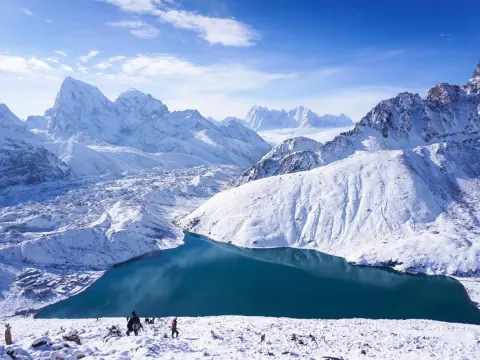
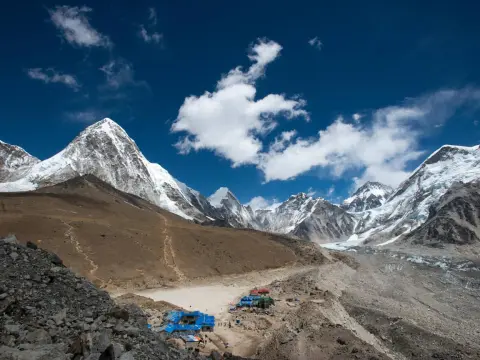
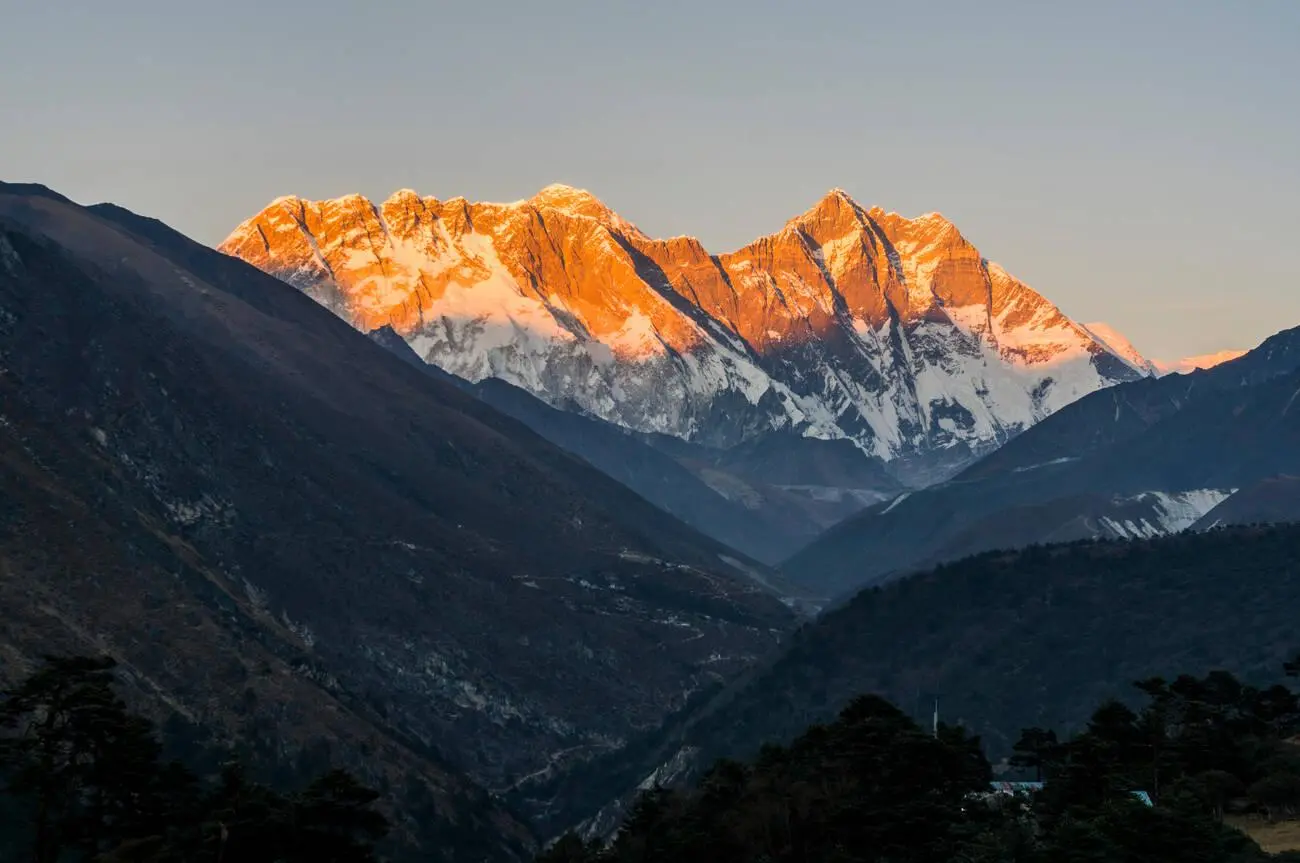
The Everest Panorama Trek, offered by Alpine Spirit Treks & Expedition, is a spectacular journey through the heart of the Everest region, designed to give trekkers panoramic views of some of the world’s highest peaks without the high-altitude challenges of the classic Everest Base Camp trek. The trek begins in Kathmandu, the vibrant capital of Nepal, known for its rich cultural heritage, ancient temples, and bustling markets. Trekkers are transferred to the hotel upon arrival, allowing time to relax and prepare for the adventure ahead. After a day of sightseeing in Kathmandu, which includes visits to Pashupatinath Temple, Boudhanath Stupa, Swayambhunath Stupa (Monkey Temple), and Patan Durbar Square, the journey to the Himalayas truly begins.
On Day 3, a scenic flight to Lukla marks the start of the trekking portion. From Lukla, trekkers gradually ascend through Sherpa villages, rhododendron forests, and terraced fields to reach Phakding, the first overnight stop. Each day presents breathtaking vistas, including snow-capped peaks such as Ama Dablam, Thamserku, and of course, Everest. The trek passes through iconic locations like Namche Bazaar, a hub of Sherpa culture, and Tengboche Monastery, offering spiritual and cultural insights. The journey concludes with a return flight to Kathmandu, leaving trekkers with unforgettable memories of the Himalayas.
The Everest Panorama Trek can be undertaken during both pre-monsoon (spring) and post-monsoon (autumn) seasons, offering trekkers the most stable weather and the clearest mountain views.
Spring (March to May) is ideal for those who want to witness blooming rhododendrons, vibrant greenery, and moderate temperatures. During this period, the trekking trails are alive with wildflowers, and the skies are generally clear, providing uninterrupted views of the Himalayan range. It is also the season when local festivals such as Holi may be celebrated in the villages, giving trekkers a glimpse of Sherpa culture and tradition.
Autumn (late September to November) is another excellent season, characterized by crisp air, minimal rainfall, and stunning sunsets over the mountains. Visibility is at its peak, making it perfect for photography and panoramic views. The daytime temperatures are mild, while nights can be chilly, especially at higher elevations, ensuring a comfortable trekking experience without extreme cold. Winter and monsoon seasons are less recommended due to harsh weather, heavy snowfall, or muddy trails that make trekking difficult.
Short Point List:
The Everest Panorama Trek is classified as a moderate trek, suitable for trekkers with basic fitness levels. While the trek reaches elevations close to 4,000 meters, proper acclimatization and gradual ascent ensure minimal risk of altitude sickness. Daily trekking durations range from 4 to 6 hours, allowing time to enjoy the surrounding landscapes, interact with locals, and explore villages. The trails are well-marked and maintained, mostly consisting of dirt paths, stone steps, and suspension bridges over glacial rivers.
Transportation for this trek is both convenient and scenic. The journey begins with a short domestic flight from Kathmandu to Lukla, one of the most famous and thrilling airport landings in the world. Within the trekking region, most movement is on foot, though there are options for porters or pack animals to carry heavier luggage, making the trek more accessible to those less accustomed to long walks. The return journey is via flight from Lukla to Kathmandu, offering aerial views of snow-capped peaks, deep valleys, and glacial rivers, providing a memorable conclusion to the trek.
Short Point List:
During the Everest Panorama Trek, accommodation is a combination of teahouses, lodges, and hotels, offering cozy rooms with basic facilities. Most teahouses provide hot showers, private rooms, and communal dining areas, creating a comfortable environment after long days of trekking. In larger villages like Namche Bazaar, there are even more modern amenities such as Wi-Fi, electricity, and small shops for trekking essentials.
Food is primarily Nepali cuisine, complemented by a variety of continental and Western dishes. Typical meals include dal bhat (rice with lentils), momo (dumplings), noodles, soups, and pasta, catering to diverse tastes. Tea, coffee, and hot chocolate are widely available, providing warmth during chilly mornings and evenings. Alpine Spirit Treks & Expedition ensures that all meals are prepared hygienically, with safe drinking water available throughout the journey. For those with dietary restrictions, special meals can be arranged in advance. Staying in local teahouses also provides a chance to interact with Sherpa families, experience their hospitality, and learn about traditional mountain life.
Short Point List:
To trek in the Everest region, trekking permits are required to ensure legal access and conservation of the national park. For the Everest Panorama Trek, two main permits are necessary:
These permits can be obtained through Alpine Spirit Treks & Expedition, saving time and ensuring compliance with local regulations. Carrying these permits throughout the trek is essential, as checkpoints in the park and villages may require them. The fees contribute to the preservation of the Himalayan ecosystem while supporting local communities.
Short Point List:
Choosing the Everest Panorama Trek with Alpine Spirit Treks & Expedition ensures a safe, culturally rich, and visually spectacular experience in the Himalayas. Unlike more physically demanding routes, this trek is designed for travelers who want to enjoy majestic mountain views without extreme altitude exposure. The trek offers a perfect blend of natural beauty, Sherpa culture, and spiritual experiences, passing through monasteries, traditional villages, and highland forests.
Alpine Spirit Treks & Expedition prides itself on providing professional guides, well-planned itineraries, and high-quality support, ensuring that every trekker’s journey is comfortable and memorable. Their local guides are knowledgeable about the terrain, culture, and history, enriching the trekking experience with stories and insights. Moreover, the company prioritizes safety, proper acclimatization, and responsible tourism practices, ensuring minimal impact on the environment and local communities. For photographers, nature lovers, and cultural enthusiasts alike, this trek delivers a rewarding Himalayan adventure that balances exploration and comfort perfectly.
Short Point List:
Today, we explore on an enriching sightseeing tour of Kathmandu, the cultural and historical capital of Nepal. Our guided tour includes visits to UNESCO World Heritage Sites such as the sacred Pashupatinath Temple, the beautifully crafted Boudhanath Stupa, and the medieval Durbar Square. Along the way, you will experience the local lifestyle, bustling markets, and colorful street scenes. Our knowledgeable guide from Alpine Spirit Treks & Expedition will provide detailed insights into Nepalese culture, traditions, and history, preparing you for the spiritual and natural journey awaiting in the Himalayas.
We take an early morning scenic flight from Kathmandu to Lukla, known for its dramatic Himalayan airstrip and breathtaking views. From Lukla, the trek begins as we descend gently to the village of Phakding. The trail follows the Dudh Koshi River, passing through charming villages, mani walls, prayer flags, and suspension bridges. This day offers a gentle introduction to trekking while allowing time to acclimatize to the increasing altitude. Overnight in a teahouse in Phakding provides a comfortable stay with spectacular Himalayan views.
The trek today is more challenging as we ascend steadily along the valley of the Dudh Koshi River. Passing through villages like Monjo and Jorsalle, we enter Sagarmatha National Park, a UNESCO World Heritage Site, where we may spot Himalayan flora and fauna along the trail. The highlight of the day is reaching Namche Bazaar, the bustling Sherpa town and gateway to Everest. Enjoy the lively market, traditional teahouses, and panoramic views of the surrounding peaks. This overnight stay allows us to rest and prepare for further altitude gains.
Acclimatization is crucial at this stage, and today we explore the region around Namche Bazaar. Alpine Spirit Treks & Expedition guides will lead a scenic hike to viewpoints such as the Everest View Hotel or the nearby hills, offering unparalleled views of Everest, Lhotse, Ama Dablam, and other majestic peaks. This gentle hike helps your body adjust to the altitude while allowing time to interact with the Sherpa community, visit local museums, or enjoy the vibrant local market. The day ends with a relaxed evening in Namche, resting for tomorrow’s trek.
We continue our trek through pine forests and rhododendron groves towards Tengboche, home to the famous Tengboche Monastery. The trail includes gradual ascents with breathtaking views of Everest, Nuptse, Lhotse, and Ama Dablam, creating one of the most scenic treks in the Himalayas. Tengboche Monastery, perched above the valley, is an important spiritual center for the Sherpa people. Here, you can observe monks performing rituals and enjoy the peaceful Himalayan ambiance. Overnight at a teahouse provides a chance to rest while taking in the serene surroundings.
Today, we trek to the traditional Sherpa village of Khumjung, passing through picturesque landscapes and suspension bridges over rushing rivers. Khumjung is known for its unique cultural heritage and the Hillary School, established by Sir Edmund Hillary. The village offers stunning views of Ama Dablam and Kangtega, making for excellent photography opportunities. Visitors can explore local homes, interact with Sherpa families, and gain insight into their way of life. This overnight stop provides a blend of cultural immersion and breathtaking scenery, deepening our experience of the Everest region.
After soaking in the serene beauty of Khumjung, we retrace our steps through Namche Bazaar and descend to Monjo. This descent is less strenuous and allows for reflective enjoyment of the landscapes and villages we passed earlier. The trail meanders along the Dudh Koshi River, crossing charming wooden bridges and passing small monasteries. Monjo is a quiet village, marking the gateway to Sagarmatha National Park. Overnighting here provides a peaceful environment for rest, as our bodies begin to recover from the higher altitudes encountered earlier in the trek.
Our trek concludes as we head back to Lukla, descending gradually through lush forests, terraced fields, and picturesque villages. This day offers a chance to reflect on the journey, enjoy the final Himalayan vistas, and say farewell to the friendly Sherpa communities we encountered along the way. The afternoon arrival in Lukla marks the end of our trekking adventure. A celebratory dinner at a local lodge allows for sharing memories with fellow trekkers and expressing gratitude to the guides and porters who made the journey possible.
We take a morning flight back to Kathmandu, enjoying stunning aerial views of snow-capped peaks and deep valleys. Upon arrival, you will be transferred to your hotel by Alpine Spirit Treks & Expedition. The afternoon is free for rest, shopping, or exploring the lively streets of Thamel. This leisure time allows trekkers to recover, shop for souvenirs, or enjoy a traditional Nepali meal. In the evening, a farewell dinner offers an opportunity to celebrate the completion of the Everest Panorama Trek and share stories from this unforgettable journey.
Today, you will be transferred to Tribhuvan International Airport for your onward flight. This marks the end of your adventure with Alpine Spirit Treks & Expedition, leaving you with lifelong memories of the majestic Himalayas, vibrant Sherpa culture, and the incredible experience of trekking in the Everest region.
Clothing
Handwear
Footwear
Gear
Miscellaneous
The Everest Panorama Trek is a moderate trekking adventure in the Everest region, designed to give trekkers spectacular views of the Himalayas, including Mount Everest, without requiring extensive technical climbing skills. This trek is suitable for individuals who enjoy moderate trekking, want to experience Sherpa culture, and are physically fit enough to handle 4–6 hours of walking per day at high altitudes. It’s perfect for first-time visitors to the Everest region who want a combination of adventure, culture, and breathtaking scenery.
The trek is considered moderate in difficulty. It involves walking 4–6 hours per day on well-established trails with gradual altitude gains. While the trek does not require technical climbing skills, trekkers should be prepared for high-altitude trekking conditions, uneven terrain, and sudden weather changes. Prior cardio fitness and regular walking practice will make the trek more enjoyable and reduce the risk of altitude sickness.
The best time to undertake this trek is during the pre-monsoon (March to May) and post-monsoon (September to November) seasons. During these periods, the weather is generally clear, and the mountain views are spectacular. Winter treks (December to February) can be very cold with snow-covered trails, while monsoon season (June to August) can bring heavy rainfall and slippery paths, making trekking more challenging.
The trek starts with a flight from Kathmandu to Lukla, which is approximately 35–40 minutes. Lukla’s airport, known as Tenzing-Hillary Airport, is one of the most famous and scenic airports in the world. From Lukla, the trek begins on well-marked trails leading to Phakding, Namche Bazaar, and further along the Everest Panorama route. Alpine Spirit Treks & Expedition assists with flight bookings and airport transfers to ensure a smooth start.
During the Everest Panorama Trek, trekkers stay in comfortable teahouses or lodges in villages along the route, such as Phakding, Namche Bazaar, Tengboche, and Khumjung. Rooms are usually simple but clean, with basic amenities including beds and shared or private bathrooms, depending on availability. Hot showers may be limited, especially at higher elevations. Alpine Spirit Treks & Expedition ensures all accommodations meet safety and comfort standards.
Acclimatization is critical to prevent altitude sickness. The itinerary includes rest and acclimatization days, such as the one in Namche Bazaar, to allow trekkers to adjust gradually. Gentle hikes and light activity at higher altitudes help the body adapt to thinner air. Alpine Spirit Treks & Expedition provides guidance on acclimatization strategies, hydration, nutrition, and monitoring of symptoms to ensure a safe trekking experience.
Yes, trekkers are provided with nutritious meals at the teahouses along the route. Breakfast, lunch, and dinner typically consist of local and Western options, including rice, noodles, soups, vegetables, and sometimes meat. Tea, coffee, and hot beverages are available to keep trekkers energized. Alpine Spirit Treks & Expedition ensures that dietary preferences and vegetarian or special food requirements are accommodated.
Trekkers should pack warm clothing, including layers, fleece jackets, waterproof jackets, trekking pants, gloves, and hats. Sturdy trekking boots, socks, and a comfortable daypack are essential. Other items include sunscreen, sunglasses, a reusable water bottle, a headlamp, and personal toiletries. Alpine Spirit Treks & Expedition provides a detailed packing list tailored to the season of travel and altitude considerations.
While the trek can be done independently, hiring a guide or porter is highly recommended. Guides provide local knowledge, safety support, and assistance with language barriers, while porters help carry luggage, reducing physical strain. Alpine Spirit Treks & Expedition provides experienced, licensed guides and porters who ensure the trek is safe, enjoyable, and culturally enriching.
The trek concludes with a return flight from Lukla to Kathmandu on Day 10. Trekkers can spend the afternoon in Kathmandu at leisure, exploring the city or relaxing at their hotel. On the final day, Alpine Spirit Treks & Expedition arranges airport transfers for departure. The team ensures that all logistics, including domestic flights and transport, are smooth and hassle-free, giving trekkers peace of mind from start to finish.
The cost typically includes airport transfers, domestic flights (Kathmandu–Lukla–Kathmandu), accommodations during the trek, meals on the trek, guide and porter services, and permits required for the Everest region. Travel insurance, personal expenses, and international flights to Nepal are usually not included. Alpine Spirit Treks & Expedition provides a clear breakdown of inclusions and exclusions to avoid surprises.
| No of people | Price per person |
|---|---|
| 1 - 1 | $1,590 |
| 2 - 4 | $1,495 |
| 5 - 10 | $1,480 |
| 11 - 20 | $1,465 |