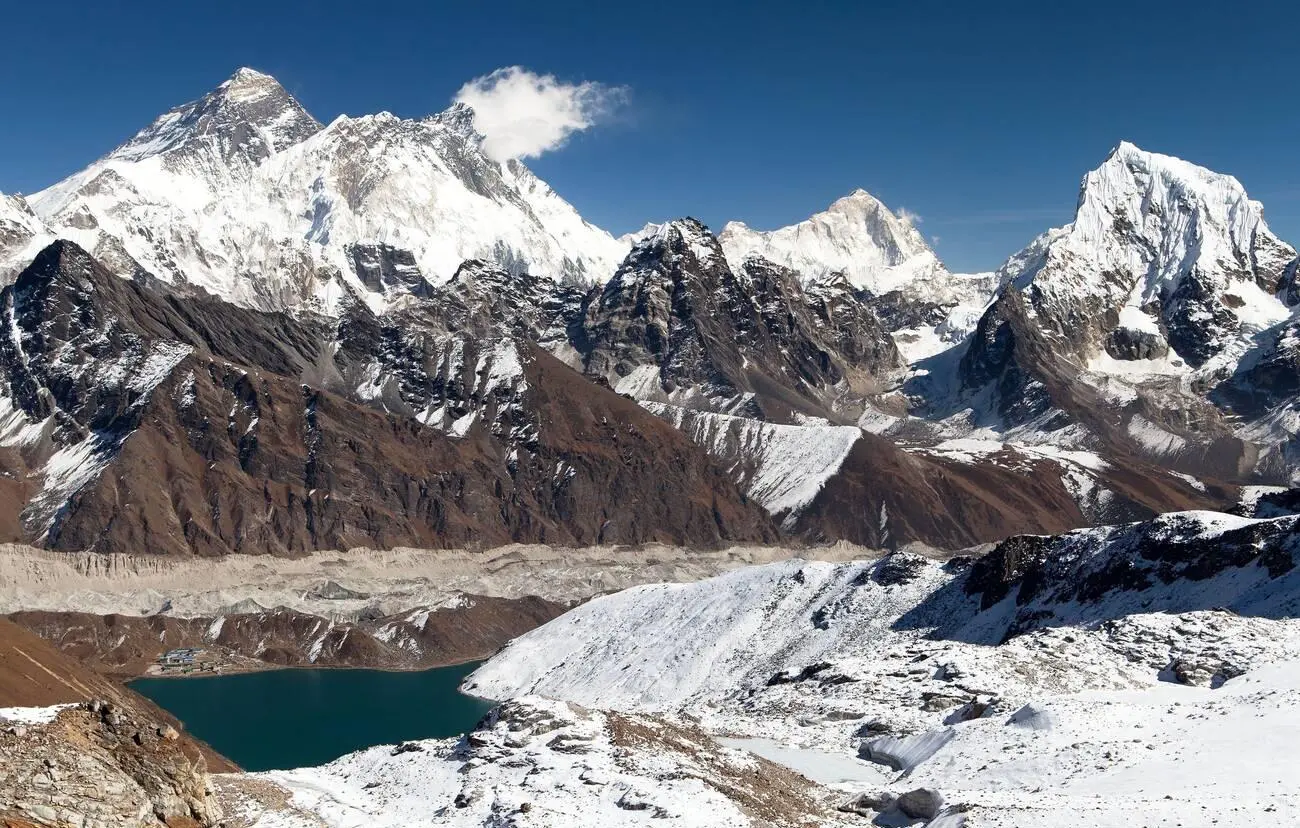
The Everest Three Passes Trek is one of the most adventurous and rewarding treks in the Himalayas. This route is designed for experienced trekkers seeking a combination of high-altitude challenge, breathtaking scenery, and cultural immersion. The trek spans approximately 21 days, taking you through the heart of the Khumbu region, including famous villages, monasteries, high alpine passes, and the base of the world’s tallest peak, Mount Everest. It allows trekkers to explore three challenging passes: Kongma La (5,535m), Cho La (5,420m), and Renjo La (5,370m), each offering unique landscapes and panoramic views of towering peaks such as Lhotse, Nuptse, Makalu, and Ama Dablam.
The trek starts with a short flight from Kathmandu to Lukla, the gateway to Everest, and passes through traditional Sherpa villages such as Namche Bazaar, Tengboche, and Dingboche. Along the way, trekkers have the opportunity to visit ancient monasteries, interact with local Sherpa communities, and witness some of the most dramatic landscapes on earth. From the Gokyo Ri viewpoint to the Everest Base Camp and Kala Patthar, the trek offers multiple vantage points for photographing the majestic Himalayas.
Alpine Spirit Treks & Expedition ensures a well-organized, safe, and culturally enriching experience for trekkers, providing expert guides, experienced porters, and comprehensive logistical support.
Timing your trek is crucial to fully enjoy the Everest region. The best seasons for the Everest Three Passes Trek are spring (March to May) and autumn (September to November). During these periods, the weather is generally stable, the skies are clear, and the mountain views are at their best. Spring offers the additional beauty of rhododendron blossoms in lower regions and lush green valleys, while autumn provides dry conditions, making it ideal for trekking and photography.
Spring Season (March-May):
Autumn Season (September-November):
Winter (December-February) is less recommended due to extreme cold, heavy snowfall, and the risk of passes being blocked. Summer (June-August) coincides with the monsoon, resulting in slippery trails, landslides, and low visibility. Alpine Spirit Treks & Expedition provides advice on the best departure windows, helping trekkers avoid adverse conditions while maximizing sightseeing opportunities. Proper planning ensures trekkers enjoy both adventure and safety throughout the expedition.
The Everest Three Passes Trek is considered a strenuous high-altitude trek and requires good physical fitness, previous trekking experience, and mental preparedness. Trekkers face long daily hikes ranging from 4 to 8 hours, steep ascents, and high-altitude passes above 5,300 meters, which demand acclimatization to prevent altitude sickness. Despite the challenges, the trek is manageable with careful pacing, proper guidance, and support from experienced guides and porters provided by Alpine Spirit Treks & Expedition.
Difficulty Factors:
Transportation:
Alpine Spirit Treks & Expedition ensures all transportation logistics are well-managed, including airport pickups, domestic flight bookings, and contingency planning for weather-related delays. Trekkers are provided with clear guidance on acclimatization, daily schedules, and physical preparation for the high-altitude challenges.
During the Everest Three Passes Trek, trekkers experience a combination of local and international cuisine while staying in teahouses, lodges, and guesthouses. Meals are typically hearty and designed to provide sufficient energy for long days of trekking. Popular menu items include Dal Bhat (rice and lentils), noodles, soups, potatoes, and pasta, along with snacks and hot beverages. Clean water is generally available, but travelers are recommended to use water purification tablets or bottles.
Food and Accommodation Highlights:
In higher regions like Gorak Shep, Dzongla, and Renjo La, facilities are limited, and accommodations may be more rustic. Alpine Spirit Treks & Expedition provides advance bookings, ensures hygienic meals, and arranges comfortable lodgings to enhance the trekking experience. Porters can assist with luggage, allowing trekkers to enjoy the journey without unnecessary strain.
Trekking in the Everest region requires several permits, which Alpine Spirit Treks & Expedition arranges to simplify the process for trekkers. These permits are mandatory for entering Sagarmatha National Park, accessing high passes, and trekking through restricted areas.
Required Permits:
Permit fees vary depending on nationality and duration of stay. These permits ensure trekkers’ safety, protect the natural environment, and support local communities. Alpine Spirit Treks & Expedition handles all permit applications and fees, allowing trekkers to focus on the journey rather than bureaucratic formalities.
The Everest Three Passes Trek is ideal for those seeking ultimate adventure, scenic beauty, and cultural immersion. With multiple high passes, glacial landscapes, and Everest Base Camp access, this trek offers unparalleled Himalayan experiences. Choosing Alpine Spirit Treks & Expedition guarantees a professionally guided expedition with a focus on safety, comfort, and authentic cultural encounters.
Reasons to Choose This Trek:
Alpine Spirit Treks & Expedition provides personalized itineraries, well-trained guides, experienced porters, and round-the-clock support. Their emphasis on safety, acclimatization, and responsible trekking makes the Everest Three Passes Trek not only a physical challenge but also a memorable journey of a lifetime.
Today, you will enjoy a full-day cultural tour of Kathmandu Valley, visiting iconic UNESCO World Heritage Sites such as Pashupatinath Temple, Boudhanath Stupa, and Patan Durbar Square. Each site offers a unique glimpse into Nepal’s rich history, religion, and architectural heritage. You will also have the opportunity to witness the daily rituals of local devotees, explore ancient courtyards, and shop for trekking essentials. In the evening, your trekking guide from Alpine Spirit Treks & Expedition will conduct a pre-trek briefing, helping you understand the itinerary, altitude considerations, and packing tips.
A thrilling early morning flight takes you from Kathmandu to Lukla, the gateway to the Everest region, offering breathtaking views of the Himalayan peaks. From Lukla, you begin a gentle trek to Phakding, walking through rhododendron forests, terraced fields, and charming Sherpa villages. This initial trek helps your body begin acclimatizing to the altitude while offering stunning views of the Dudh Koshi River. Upon arrival in Phakding, you will enjoy a hot meal, relax in a teahouse, and prepare for the more challenging sections of the trek ahead.
Today’s trek takes you to the famous Sherpa town of Namche Bazaar, known as the “gateway to Everest.” The path follows the Dudh Koshi River, passing suspension bridges and small villages. The ascent to Namche is steady and challenging, providing an excellent opportunity for acclimatization. Upon arrival, explore the bustling market town with its shops, cafes, and bakeries. The panoramic view of Kongde Ri and Thamserku mountains is spectacular. You will spend the evening resting and enjoying the hospitality of your teahouse, preparing for the next day’s acclimatization hike.
Today is dedicated to acclimatization, a crucial part of the Everest Three Passes Trek. You will undertake a short hike to the nearby Everest View Hotel or the village of Khumjung, allowing your body to adjust to higher altitudes while offering incredible views of Everest, Lhotse, and Ama Dablam. This hike is also culturally enriching, as you may visit traditional Sherpa monasteries and interact with locals. Returning to Namche Bazaar, you can explore local cafes, shop for trekking supplies, and rest. This day ensures your body is well-prepared for the challenging passes ahead.
The trek from Namche to Tengboche takes you through pine and rhododendron forests with frequent glimpses of majestic Himalayan peaks. Tengboche is renowned for its ancient monastery, the largest in the Khumbu region. You can attend a short prayer session with the monks, offering insight into Sherpa spiritual life. The surrounding landscape, including views of Ama Dablam, is truly spectacular. Your overnight stay at a teahouse in Tengboche allows you to soak in the serene atmosphere, enjoy local cuisine, and prepare for the journey to Dingboche.
Today’s journey leads you deeper into the Everest region, with the trail gradually ascending toward Dingboche. You will pass small villages, mani walls, and prayer flags, witnessing the harmony of Sherpa life with nature. The trail offers stunning views of peaks like Lhotse and Ama Dablam, and the air begins to feel thinner as you gain altitude. Upon reaching Dingboche, a picturesque Himalayan village, you can relax and enjoy the peaceful mountain scenery. This stop also serves as another opportunity to acclimatize for the high passes ahead.
A well-earned rest day in Dingboche allows your body to adjust to higher elevations. You can take a short hike to Nagarjun Hill or Chhukung Valley to aid acclimatization while enjoying panoramic views of Island Peak and other surrounding mountains. Your guide from Alpine Spirit Treks & Expedition will provide tips on managing altitude sickness and preparing for the Kongma La Pass. Evenings are perfect for journaling, photography, or simply relaxing in the cozy teahouse while watching the sunset over the Himalayan range.
The trek today to Chukung is relatively short but offers spectacular vistas of towering peaks, including Lhotse and Nuptse. Chukung serves as a base for climbers attempting Island Peak and provides excellent acclimatization before tackling Kongma La Pass. You will pass through glacial moraines and rugged terrain, witnessing the raw beauty of the high Himalayas. Upon arrival, the village offers warm teahouses, and you can explore nearby trails. The serenity and isolation of this area make it a perfect place to connect with nature and prepare mentally for the challenging pass.
Today is one of the most demanding yet rewarding days of the trek as you cross Kongma La Pass, one of the three major passes. The climb is steep and challenging, offering close-up views of towering peaks and glaciers. Standing atop the pass, you will feel a tremendous sense of achievement while enjoying panoramic Himalayan vistas. The descent leads to Lobuche, a small settlement with teahouses nestled among moraines. This long but exhilarating day requires stamina, but the beauty and satisfaction of crossing the pass are unforgettable.
From Lobuche, you trek toward Gorak Shep and then onward to the legendary Everest Base Camp. Along the way, you pass the Khumbu Glacier and rugged moraine landscapes, absorbing the majesty of the world’s highest peak. At Base Camp, you can celebrate your achievement, take photographs, and soak in the history of countless climbers who have passed through this iconic location. Afterward, you return to Gorak Shep for an overnight stay. This day combines physical challenge with profound emotional reward, marking a highlight of the Everest Three Passes adventure.
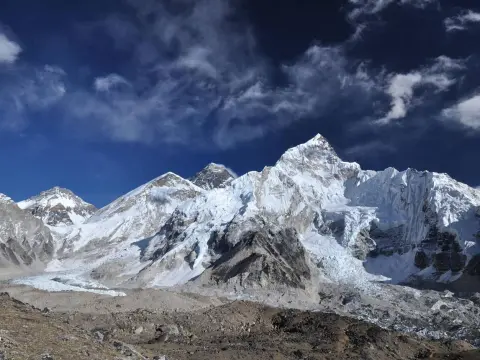
An early morning ascent of Kala Patthar offers arguably the best panoramic views of Everest, Nuptse, and Pumori. Witnessing sunrise from this vantage point is a truly unforgettable experience. After descending to Gorak Shep for breakfast, you trek onward to Dzongla, crossing rugged terrain with breathtaking scenery. This trek enhances both your physical endurance and mental resilience. Along the way, your guide shares insights into local culture and mountaineering history. Arriving at Dzongla, you settle into a teahouse, enjoying a well-deserved rest amid the serene high-altitude environment.
Today’s journey takes you over Cho La Pass, another challenging high-altitude pass with stunning views of glaciers, peaks, and moraine landscapes. The climb requires focus and endurance, but reaching the top rewards you with breathtaking vistas of Cholatse and Taboche. The descent to Thagnak is steep yet scenic, leading to a small village where you can enjoy a warm meal and interact with local Sherpas. This long but rewarding day tests your trekking skills while offering some of the most dramatic landscapes of the Everest region.
The trek to Gokyo offers spectacular views of turquoise glacial lakes surrounded by towering Himalayan peaks. Arriving at the third lake (Dudh Pokhari), you can relax and enjoy the reflection of mountains in the serene waters. This area is rich in natural beauty and provides excellent opportunities for photography and exploration. The trail passes through alpine meadows, and you can spot wildlife such as Himalayan blue sheep or snowcocks. The evening in Gokyo is peaceful, offering an opportunity to rest and reflect on your journey with Alpine Spirit Treks & Expedition.
Today is dedicated to a challenging yet rewarding climb of Gokyo Ri. From the summit, you will experience a panoramic view of Everest, Lhotse, Makalu, and Cho Oyu, making it one of the most breathtaking viewpoints in the region. After descending, you can relax by the beautiful Gokyo Lakes, enjoying the tranquil atmosphere. This day also allows your body to acclimatize further, ensuring readiness for the next pass. The combination of physical exertion, natural beauty, and spiritual serenity makes this day a highlight of the trek.
The trek today takes you over Renjo La Pass, the final of the three major passes, with awe-inspiring views of Everest, Makalu, and Cho Oyu. The climb is challenging, demanding strength and endurance, but the panoramic vistas are worth every step. Descending into the scenic valley of Lungden, you will pass traditional villages, prayer flags, and glacial streams. This trek combines both high-altitude adventure and cultural immersion, highlighting the Sherpa way of life. Upon reaching Lungden, you will rest at a teahouse and reflect on the incredible journey so far.
Today’s descent takes you to the historic village of Thame, renowned for its ancient monasteries and deep-rooted Sherpa culture. The trail winds through beautiful forests and terraced fields, offering views of Thamserku and Kangtega peaks. Thame has a rich history of mountaineering, with many famous Sherpas originating from this area. You can visit local monasteries, interact with villagers, and gain insight into traditional Himalayan life. The combination of natural beauty and cultural experience makes this day both rejuvenating and inspiring after the challenges of high passes.
Descending further, you trek back through Namche Bazaar and onward to Monjo. The trail offers a mix of forest paths, riverside walks, and small villages. Passing through Namche allows for a short break or last-minute shopping in the bustling market. Monjo, located near the entrance of Sagarmatha National Park, provides a comfortable teahouse stay, marking the near end of the trek. This descent allows your body to recover from the high-altitude exertion while offering a chance to reflect on the remarkable landscapes and experiences encountered along the Everest Three Passes route.
The final trekking day takes you back to Lukla, retracing some familiar paths through forests, suspension bridges, and small villages. The shorter trek allows for a relaxed pace, giving you time to celebrate the completion of this incredible journey. Upon arrival in Lukla, you can enjoy a warm meal, share memories with fellow trekkers, and prepare for the return flight to Kathmandu. The sense of accomplishment and the stunning Himalayan scenery make this last trekking day both joyful and reflective.
A scenic morning flight takes you back to Kathmandu, providing spectacular aerial views of the Everest region, including glacial valleys and towering peaks. Upon arrival, you are transferred to your hotel for rest and relaxation. You can spend the day shopping, enjoying local cuisine, or visiting nearby attractions. In the evening, a farewell dinner organized by Alpine Spirit Treks & Expedition offers an opportunity to celebrate your successful trek, share stories with fellow trekkers, and enjoy traditional Nepali food and cultural performances.
After breakfast, you will be transferred to Tribhuvan International Airport for your onward flight. This marks the conclusion of your unforgettable Everest Three Passes Trek. You leave with memories of soaring Himalayan peaks, cultural encounters, and personal triumphs. The team at Alpine Spirit Treks & Expedition will bid you farewell, wishing you safe travels and hoping to see you on another adventure in the future.
Clothing
Handwear
Footwear
Gear
Miscellaneous
The ideal time to undertake the Everest Three Passes Trek is during the pre-monsoon (March to May) and post-monsoon (late September to November) seasons. These periods offer clear skies, stable weather, and excellent mountain visibility, making trekking safer and more enjoyable. The temperatures are relatively moderate during the day, although nights can still be cold at higher elevations. Monsoon and winter seasons are generally not recommended due to heavy snowfall and difficult trail conditions.
This trek is considered challenging due to its high-altitude passes, long trekking days, and significant elevation gains. Trekkers should have a good level of physical fitness and prior trekking experience is recommended. Daily hikes range from 4 to 8 hours, often on steep and rocky trails. Proper preparation through cardio, strength training, and altitude awareness will greatly enhance safety and enjoyment.
Alpine Spirit Treks & Expedition carefully plans acclimatization days at key points like Namche Bazaar and Dingboche. These rest days include short hikes to higher altitudes before returning to sleep at lower elevations, allowing the body to adjust gradually and reduce the risk of altitude sickness. Guides closely monitor trekkers for symptoms and provide guidance on hydration, nutrition, and rest.
The Everest Three Passes Trek offers breathtaking scenery, including Everest Base Camp, Gokyo Lakes, Kala Patthar sunrise, and high mountain passes such as Kongma La, Cho La, and Renjo La. Trekkers also experience Sherpa culture, ancient monasteries like Tengboche, and panoramic views of iconic peaks such as Lhotse, Nuptse, Makalu, and Ama Dablam. The combination of adventure, natural beauty, and cultural encounters makes this trek unforgettable.
The three passes—Kongma La (5,535m), Cho La (5,420m), and Renjo La (5,370m)—are technically moderate but physically demanding. Snow and ice conditions can increase difficulty, particularly in early spring or late autumn. Alpine Spirit Treks & Expedition provides experienced guides to assist with route navigation, safety tips, and pacing strategies to help trekkers cross these passes successfully.
While prior trekking experience is helpful, it is not strictly necessary if you are physically fit and follow proper acclimatization schedules. Alpine Spirit Treks & Expedition ensures a gradual ascent and provides guidance on altitude management. However, trekkers should be prepared for long hiking days, cold temperatures, and rugged terrain.
Accommodations along the trek are primarily teahouses or lodges, offering basic rooms with beds, blankets, and shared bathrooms. Meals include a variety of Nepali and Western dishes, such as dal bhat, noodles, soups, and pasta. Alpine Spirit Treks & Expedition ensures proper nutrition to support energy needs at high altitudes and provides hot drinks and snacks during the trek.
Preventing altitude sickness involves gradual acclimatization, staying well-hydrated, eating properly, avoiding alcohol, and pacing oneself. Alpine Spirit Treks & Expedition includes planned acclimatization days and monitors trekkers for early symptoms like headaches, nausea, or dizziness. Guides are trained to administer first aid and advise descent if any severe altitude-related issues occur.
Essential gear includes layered clothing for cold and variable weather, sturdy trekking boots, sleeping bags, trekking poles, gloves, hats, and sunglasses. A daypack, water bottles, and personal hygiene items are also important. Alpine Spirit Treks & Expedition provides a detailed packing list and can assist with renting specialized gear if needed.
Safety is a top priority. Experienced guides accompany all treks, maintaining communication and monitoring health and weather conditions. Alpine Spirit Treks & Expedition ensures that trekkers are informed about potential risks, including altitude sickness, cold exposure, and challenging terrain. Emergency evacuation plans, first-aid kits, and coordination with local rescue services are part of the safety measures.
| No of people | Price per person |
|---|---|
| 1 - 1 | $1,590 |
| 2 - 4 | $1,495 |
| 5 - 10 | $1,480 |
| 11 - 20 | $1,465 |