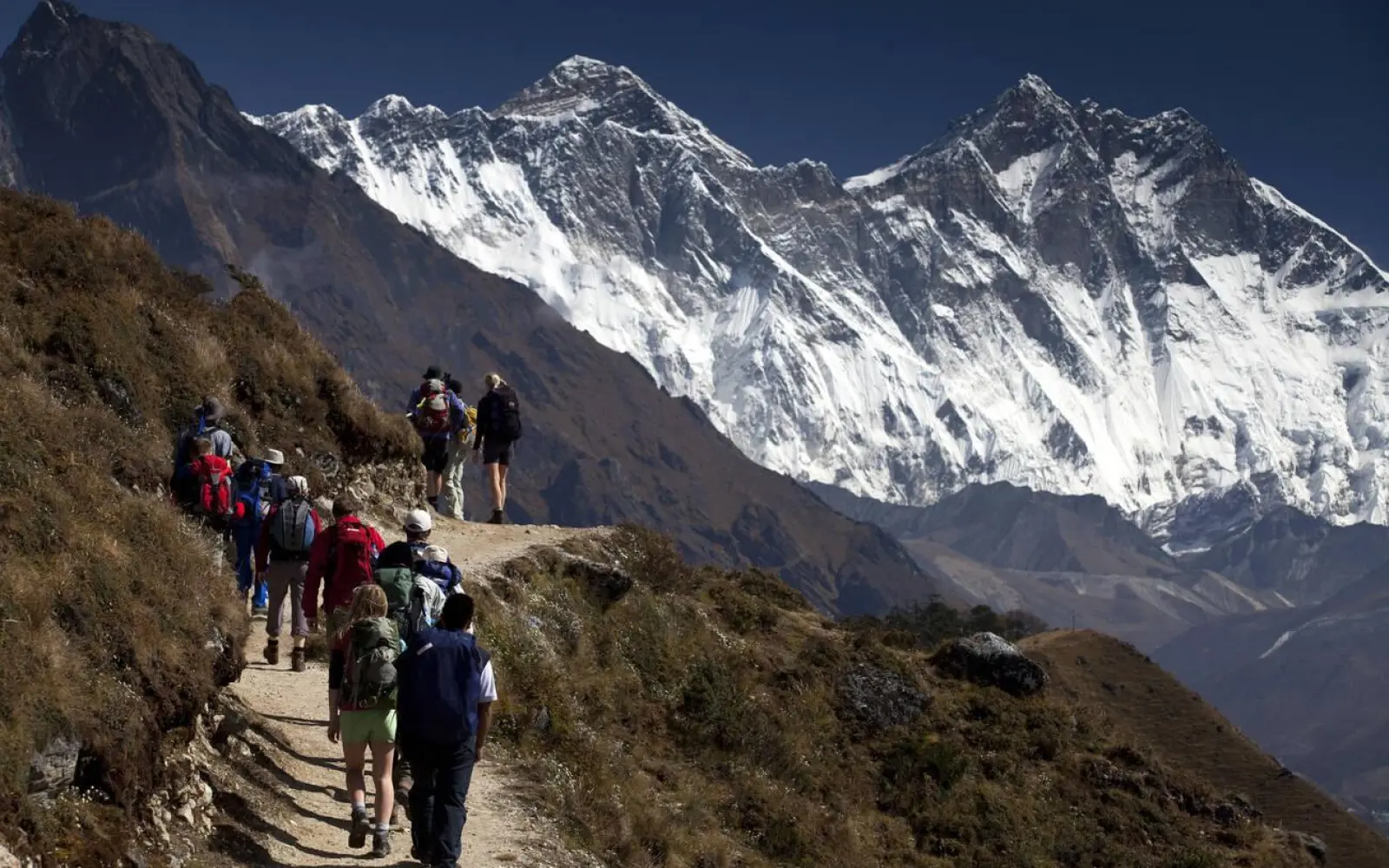
Nepal, home to the majestic Himalayas, is one of the world’s most sought-after trekking destinations. From the iconic peaks of Everest and Annapurna to hidden trails in the Langtang and Mustang regions, Nepal offers breathtaking landscapes, rich culture, and unforgettable experiences for every level of trekker. Whether you are a first-time trekker or seeking a moderate adventure, careful planning is essential to make your journey safe and memorable.
Alpine Spirit Treks & Expedition specializes in crafting personalized trekking experiences, ensuring beginners are supported with experienced guides, comfortable accommodation options, and detailed pre-trek guidance. This guide provides a comprehensive overview for first-time trekkers in Nepal.
Nepal is often called the “trekking capital of the world,” and for good reason. The country offers a unique combination of towering mountains, diverse landscapes, and vibrant cultures. Trekking here is not just about walking; it’s an immersive experience that lets you witness traditional villages, Buddhist monasteries, and breathtaking Himalayan panoramas.
Some highlights include:
Nepal’s trails cater to all types of trekkers. With Alpine Spirit Treks & Expedition, even beginners can enjoy the journey without feeling overwhelmed, as the guides offer step-by-step support, acclimatization tips, and safety advice.
Choosing the right trek depends on your fitness level, trekking experience, and how much time you have. Beginners are recommended to start with easier routes, while moderate and challenging treks can be considered for those with prior trekking experience.
Trek Options:
Alpine Spirit Treks & Expedition can help match trekkers with the right route, considering your personal fitness, interest in culture versus adventure, and time constraints. Their expert guides also offer pre-trek preparation tips to build confidence for your journey.
Nepal’s trekking seasons are primarily divided into autumn and spring, each offering unique advantages. Weather conditions, trail accessibility, and mountain visibility should guide your timing.
Seasonal Tips:
Alpine Spirit Treks & Expedition can help plan your trek in the optimal season for your chosen route, balancing weather, crowd levels, and personal preferences.
Packing light yet adequately is key for a comfortable trek. Beginners often overpack or miss essential items, which can affect comfort and safety. Focus on quality gear for warmth, hydration, and trail safety.
Must-Have Items:
Alpine Spirit Treks & Expedition provides detailed pre-trek checklists and can assist in arranging or renting gear, making it easier for first-time trekkers to focus on enjoying the journey rather than worrying about packing.
Trekking in Nepal often involves gaining significant altitude, which can affect your body in unexpected ways. Altitude sickness occurs when your body struggles to adjust to reduced oxygen levels at high elevations. Beginners must prioritize gradual ascent, proper rest days, and attentive self-monitoring to prevent serious health issues.
Alpine Spirit Treks & Expedition emphasizes a careful approach to altitude. Their itineraries include planned acclimatization stops and expert guidance on recognizing early signs of altitude sickness, such as headaches, nausea, or shortness of breath. This ensures a safe and enjoyable trekking experience.
Tips for Altitude Safety:
Hiring a guide or porter can transform your trekking experience in Nepal, especially for beginners. Guides offer local knowledge, navigation skills, and cultural insights, while porters help carry heavy loads, allowing you to trek comfortably without overexertion.
Benefits of Guides and Porters:
Considerations:
Nepal offers beginner-friendly treks that are manageable in duration and difficulty while still providing spectacular scenery. These treks combine natural beauty, mountain views, and cultural experiences, making them perfect for first-time trekkers.
Recommended Beginner Treks:
Alpine Spirit Treks & Expedition customizes treks to match fitness levels, ensuring you experience Nepal’s natural and cultural highlights without overexertion.
Nepal’s trekking routes pass through vibrant villages where local customs, festivals, and religions shape daily life. Respecting these traditions is essential to have a meaningful and positive experience. Local people are generally welcoming, but simple gestures of respect go a long way.
Key Cultural Tips:
Alpine Spirit Treks & Expedition ensures trekkers understand and follow local etiquette, enriching the cultural experience while fostering goodwill with communities.
Maintaining health during trekking is crucial, especially for beginners. The body requires proper nutrition, hydration, and rest to endure long days of walking and higher altitudes. Food and water hygiene are essential to avoid illness during your trek.
Health & Safety Tips:
Alpine Spirit Treks & Expedition guides monitor trekkers’ health daily, offering advice and support to prevent illness and ensure a safe trekking experience.
Budgeting for a trek in Nepal requires consideration of permits, accommodation, meals, guides, porters, and gear. For first-time trekkers, realistic planning helps avoid surprises and ensures comfort without overspending.
Typical Budget Considerations:
Alpine Spirit Treks & Expedition provides detailed cost breakdowns and tailored packages for beginners, offering transparent pricing and ensuring value for a safe, memorable trekking experience.